Carbon insurance specialist Artio has issued a forecast indicating a marked increase in wildfire risk across England and Wales from June through December 2026. Their fire risk model estimates that approximately 5,612 hectares will be affected by wildfires during this period, representing a 9.6% increase compared to 2020 and a 147.6% surge relative to 2023.
The analysis highlights September as the peak month for wildfire activity, with an anticipated 1,403 hectares likely to burn. This projection exceeds the 1,295 hectares estimated for September 2020 and more than doubles the 570 hectares forecast for the same month in 2023.
Artio’s research identifies several regions expected to face elevated fire risk due to prevailing hot and dry conditions. These include the Peak District, East Anglia, the South Downs, the New Forest, Dartmoor, Exmoor, Eryri/Snowdonia, Bannau Brycheiniog/Brecon Beacons, and the Lake District/Cumbria.
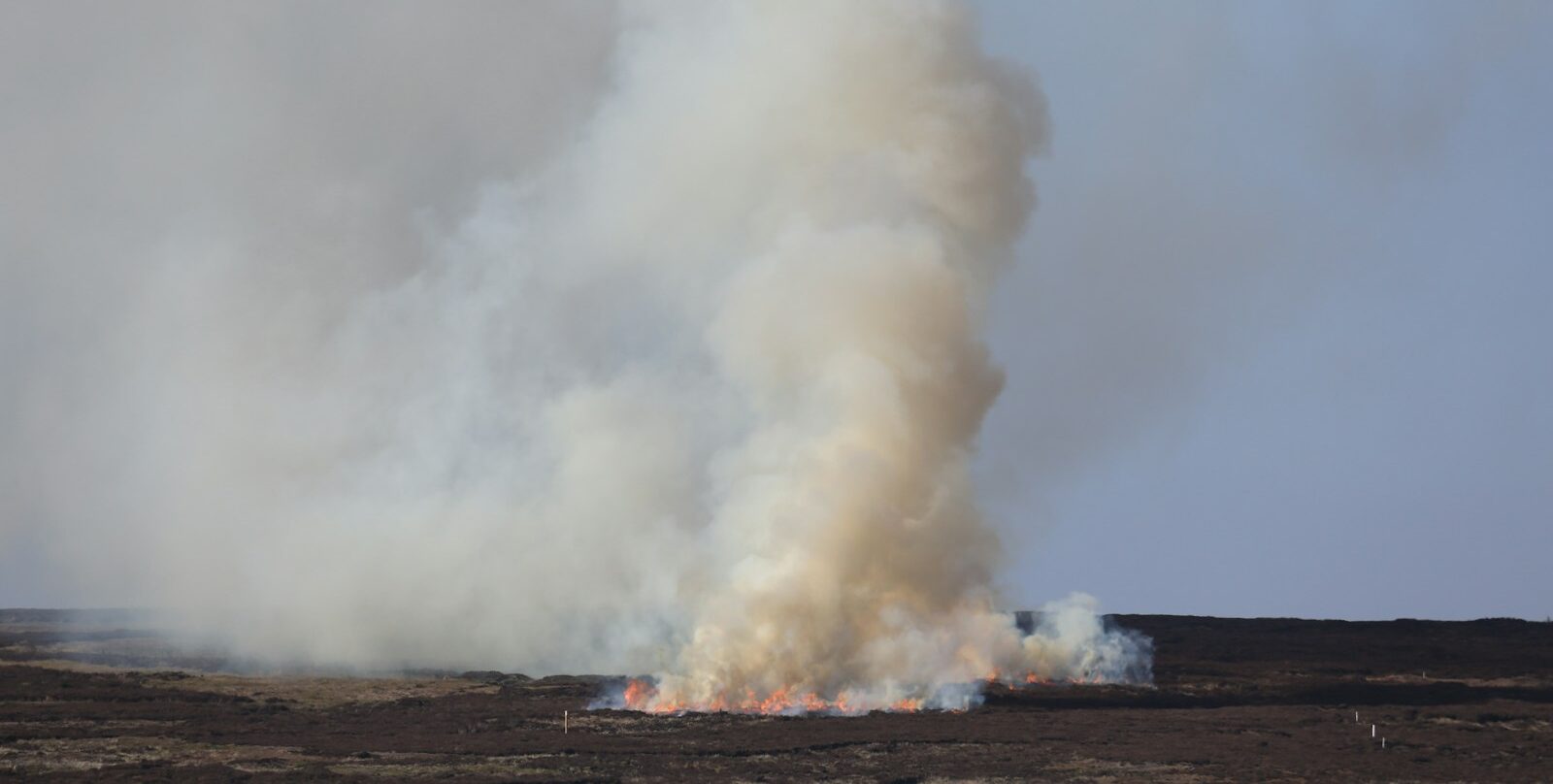
The warning follows recent extreme heatwaves in the UK and a significant moorland fire on Tintwistle Moor near Glossop. That fire caused road closures and smoke alerts across Greater Manchester and Derbyshire, illustrating how rapidly dry weather can escalate into active wildfire incidents.
Artio’s fire risk model employs a cellular automata approach, calibrated using historical MODIS satellite fire data alongside the Fire Weather Index, a composite measure of climate variables linked to wildfire risk. The model benchmarks monthly burnt area projections for 2026 against those from 2020 and 2023, revealing a consistently heightened fire risk throughout the analysed months.
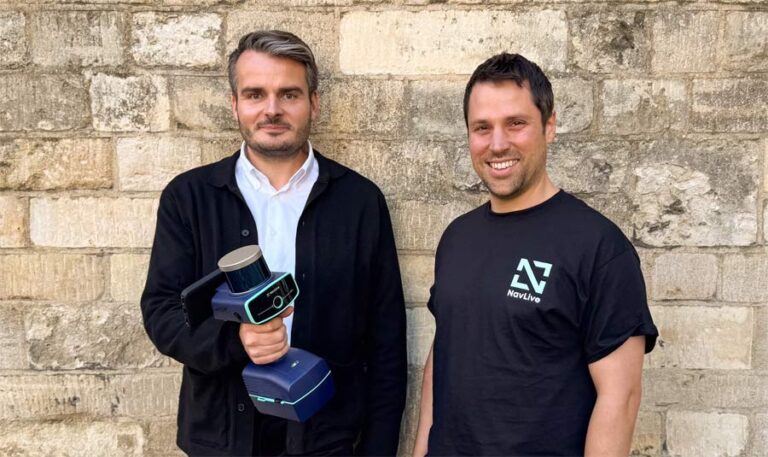
Bilal Hussain, Co-Founder and CEO of Artio, stressed the significance of the findings: “The fires we are already seeing in the UK show how quickly heat and dryness can become a risk for communities, land managers and carbon projects. Heatwaves increase the immediate risk of fire, but our analysis points to a wider risk profile across the rest of the year, with 2026 showing materially higher fire risk than recent comparator years.”
He added, “These are not ignition predictions. They are signals of where conditions could allow fire to take hold and spread if ignition occurs. Better data can help identify vulnerabilities earlier, inform preventative action, protect communities and build more resilient carbon projects.”
The report emphasises the need for proactive wildfire risk management, particularly in landscapes with vulnerable vegetation, exposed soils, or limited active management. It calls on local authorities, communities, and carbon project developers to prepare for a more challenging fire environment.
As demand grows for high-integrity carbon credits, safeguarding carbon projects against increasing climate volatility is crucial. Wildfire risk poses a significant threat to woodland creation, afforestation, reforestation, and other land-based carbon initiatives, where long-term carbon storage underpins project value.
By integrating climate modelling, fire spread analysis, and underwriting expertise, Artio aims to assist developers and investors in designing carbon projects that are more resilient, insurable, and creditworthy.
Artio is a pioneer in early-stage carbon insurance, utilising data-driven risk models to facilitate investment in scalable, high-quality carbon projects. Supported by insurers Tokio Marine HCC, Markel, and Apollo, the company’s mission is to accelerate global carbon markets and support the transition to net zero.