Environment Bank is assisting SES Water in fulfilling its Biodiversity Net Gain (BNG) obligations for a new booster pumping station and related works in Croydon. SES Water provides 160 million litres of clean water daily to over 750,000 residents across Surrey, Kent, and South London.
The development of the pumping station will enhance water supply reliability for more than 20,000 homes and improve the resilience of the local distribution network in an area prone to significant flooding. Due to underground infrastructure constraints at the project site, on-site biodiversity improvements were limited, prompting SES Water to seek off-site Biodiversity Units from Environment Bank.
Given the project’s small scale, SES Water required only fractional Biodiversity Units in habitats such as lowland meadows and neutral grassland to meet its BNG targets. Environment Bank supplied these units from its Ardingly Habitat Bank, enabling SES Water to precisely satisfy its obligations without purchasing entire units.
The timely and cost-effective allocation of Biodiversity Units allowed the infrastructure project to proceed as planned while supporting long-term habitat creation. Molly Brealey, Key Account Manager at Environment Bank, stated: “This project demonstrates how off-site Biodiversity Net Gain can help essential infrastructure move forward when physical constraints make meaningful on-site habitat enhancement impractical. By providing exactly the fractional Biodiversity Units required and working closely with SES Water’s consultants, we delivered a cost-effective solution at pace. This enabled a project that will safeguard water supplies for thousands of homes to remain on schedule while supporting high-integrity habitat creation for the long term.”
This initiative exemplifies how BNG can underpin climate-resilient infrastructure by offering tailored off-site solutions when on-site biodiversity gains are unfeasible, thereby meeting planning requirements and directing investment into nature recovery.
Throughout the project, Environment Bank collaborated closely with SES Water’s consultants at Dalcour Maclaren, who have previously relied on Environment Bank for BNG solutions for numerous clients. Vicks Fishlock, BNG Land Advisor at Dalcour Maclaren, commented: “When supporting clients with projects that can be so vital for the health and wellbeing of local communities, we’re grateful for Environment Bank’s ongoing support. There’s a reason that we keep going back to Environment Bank, and that is their expertise and the speed with which they’re able to allocate Biodiversity Units.”
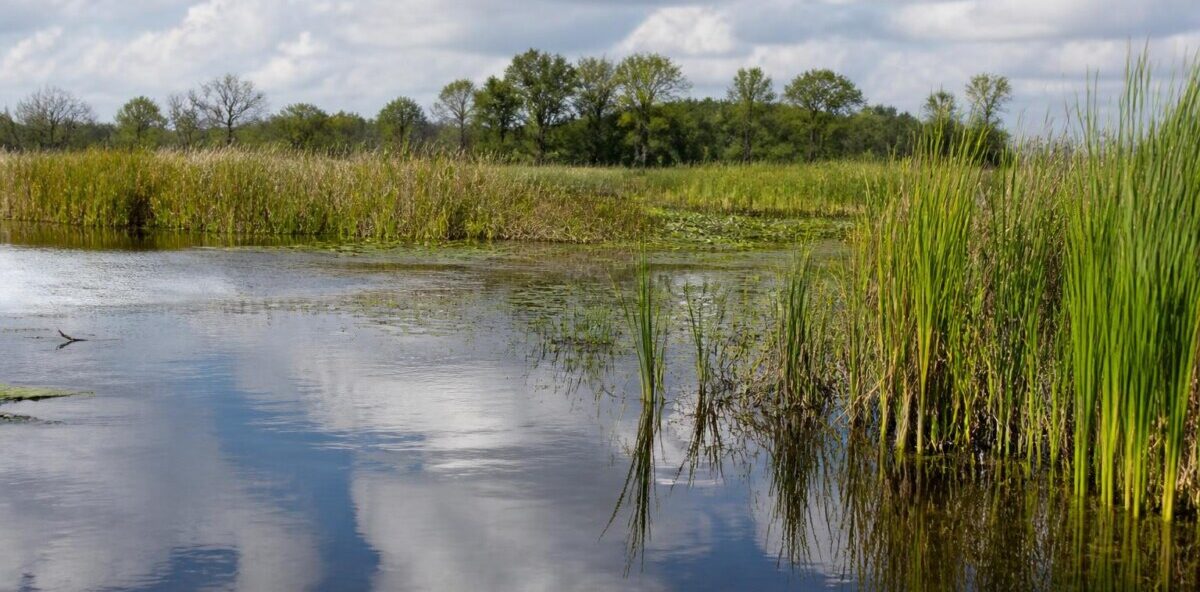
Ardingly Habitat Bank, located in West Sussex less than ten miles from Crawley, spans over forty hectares of formerly unproductive arable land. Environment Bank is transforming this site into a diverse habitat comprising woodland, wildflower grassland, mixed scrubland, and ponds. The area will be managed to deliver measurable biodiversity gains over a thirty-year period.
Expert ecologists at Environment Bank have designed Ardingly Habitat Bank to enhance populations of species including the great-crested newt, stag beetle, silver-washed fritillary butterfly, and nightingale. The site also hosts early-purple orchids, a rare plant species.