
Home Decor Design Interior: How the Experts Do It
There is a particular kind of magic that happens when you walk into a beautifully designed room. It is not simply that the furniture is expensive or the walls freshly painted. It is something more elusive, a feeling of rightness, of everything belonging exactly where it is. The room breathes. It welcomes you. And yet, when you try to articulate why, the words slip away.
Interior designers, the very best of them, have spent years learning how to manufacture that feeling deliberately and reliably. They know which rules to follow, which ones to break, and, most crucially, which ones were never worth following in the first place. We sat down with leading designers and distilled their hard-won wisdom into the principles that truly matter. Whether you are starting from scratch in a new home or simply longing to refresh a space that has stopped feeling like you, this is how the experts do it.
Start With What You Love, Not What You Think You Should Love
The single most common mistake people make when approaching a room, according to designers, is reaching for aspiration before authenticity. We scroll through Instagram, we clip images from magazines, we build Pinterest boards full of rooms that look beautiful but bear no real relationship to how we actually live.
“I always ask my clients to show me what they love, not what they think they should love,” says one London-based interior designer with over twenty years of experience. “There is an enormous difference between the two. Someone might bring me a board full of minimalist, all-white rooms, but then I visit their home and every surface is covered in meaningful objects, family photographs, and books. The minimalist room would make them miserable. The clutter, to them, is joy.”
This is the starting point for all good home decor design interior work: an honest reckoning with who you are and how you live. Do you cook seriously? Your kitchen needs to earn that. Do you work from home? Your living space must accommodate concentration as well as rest. Do you entertain frequently, or do you live quietly and privately? Every one of these facts should shape your decisions before a single piece of furniture is chosen.
The practical exercise here is simple. Walk through your home and identify the things that already make you genuinely happy: a particular chair, a lamp you bought years ago, a rug that just seems to work. These are your anchor pieces. Design outward from them, rather than replacing everything and starting from zero.
The Rule of Three, and When to Ignore It
You have likely heard the design rule of three: objects look best displayed in odd numbers, with three being the sweet spot. Cluster a tall candlestick, a small sculpture, and a trailing plant on a console table and you have instant visual interest. The rule exists because odd groupings feel organic, dynamic, and complete in a way that even numbers, which the eye tends to split into pairs, simply do not.
But here is what the experts actually do with rules: they learn them thoroughly so they can break them with intention.
A shelf lined with a single repeated object, ten identical ceramic pots, a row of uniform books, twenty small framed prints in a tight grid, can be just as powerful as any three-piece vignette, if it is done with absolute commitment. The mistake is not breaking the rule. The mistake is breaking it accidentally, ending up with neither the dynamic tension of odd numbers nor the bold statement of deliberate repetition.
The deeper principle beneath the rule of three is contrast. Vary height. Vary texture. Vary weight, the visual heaviness of objects, so that the eye has somewhere to travel. A grouping where every element is the same size, material, and colour will always feel flat, regardless of how many pieces it contains.
Colour: The Most Misunderstood Element in Home Decor Design Interior
More decisions go wrong over colour than almost anything else in home decor design interior, and the reason is almost always the same: people choose their colours in isolation.
A paint sample on a white card under a shop’s fluorescent lighting tells you almost nothing useful about how that colour will behave on your walls. Colour is not a fixed property; it is a relationship. It changes with the light in your room, which shifts through the day and across the seasons. It changes against your flooring, your furniture, your textiles. A blue that looked serene in the showroom can turn cold and institutional in a north-facing room in December.
The expert approach is to live with large samples. Paint two or three A3-sized swatches directly onto your wall, not small tester pots on white paper, and observe them for at least a week. Watch what morning light does to them. Watch them under artificial light in the evening. Then decide.
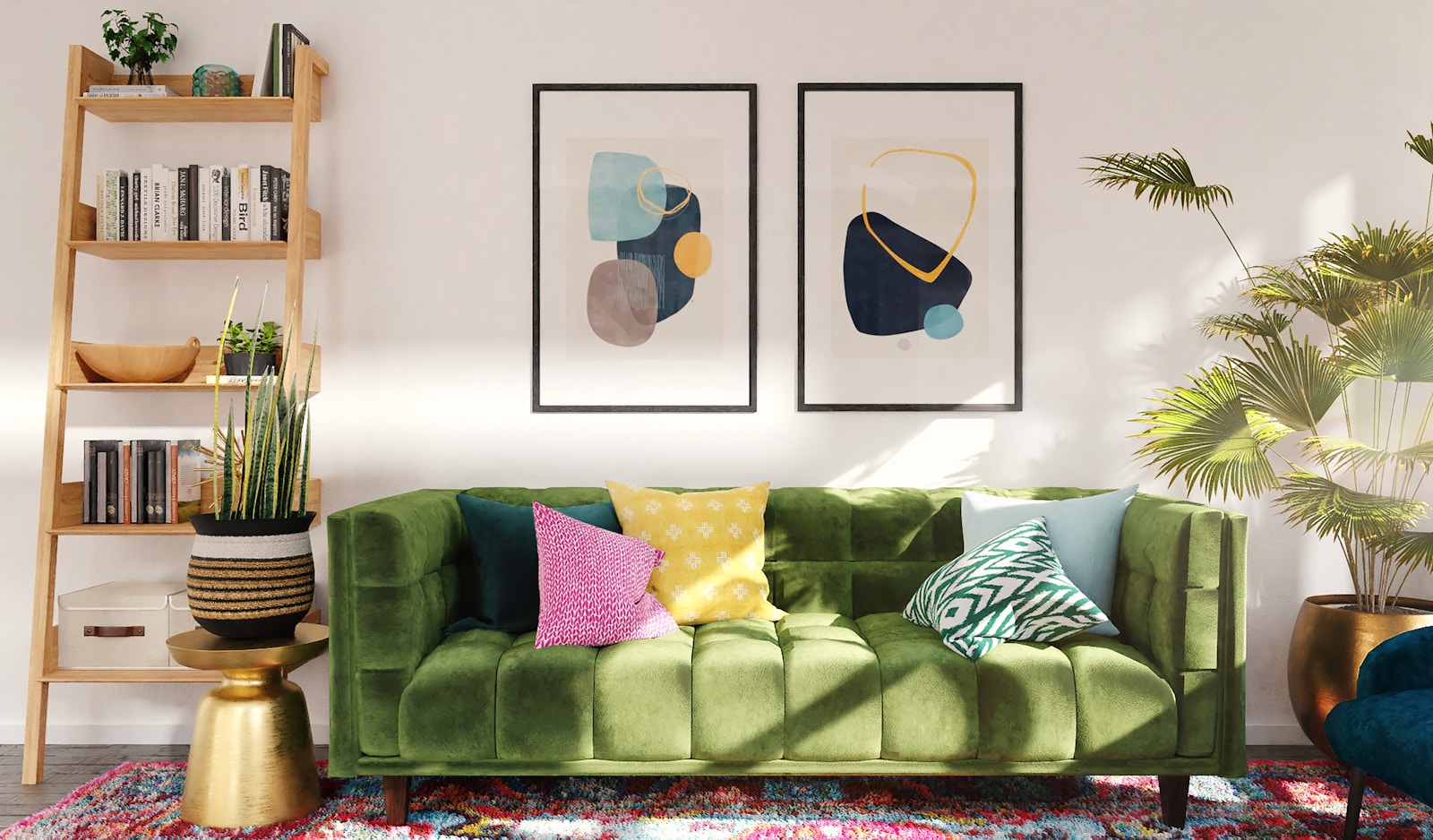
Beyond the mechanics of colour testing, designers share a principle about palette that home decorators consistently overlook: the 60-30-10 rule. Sixty per cent of a room should be a dominant colour, typically a neutral, your walls, your largest sofa, your floor. Thirty per cent should be a secondary colour that supports and complements: perhaps your curtains, a pair of armchairs, a large rug. Ten per cent is your accent, the colour that brings the room to life: cushions, artwork, a vase.
What makes this rule so effective is that it prevents the visual chaos that results from too many competing colours, while still allowing for personality and surprise. That ten per cent accent is where you can be bold, even eccentric, without risk.
Lighting: The Element That Changes Everything
If there is one area where the gap between professional designers and the rest of us is most visible, it is lighting. Most homes are dramatically underlit in some areas and garishly overlit in others. The culprit, almost universally, is an over-reliance on a single overhead light source.
Designers layer lighting across three distinct types: ambient, task, and accent. Ambient lighting provides the general illumination of a room; think ceiling fixtures, recessed lighting, large pendants. Task lighting is directed and purposeful: a reading lamp beside a chair, under-cabinet lights in a kitchen, a desk lamp in a study. Accent lighting is about drama and atmosphere, a spotlight trained on a piece of art, candles, uplighters behind plants, the warm glow of a table lamp in a corner.
The real transformation happens when all three layers are present and independently controllable. Dimmers are not a luxury; they are essential. The ability to dial down your ambient lighting in the evening, rely on your task lamps for specific activities, and let your accent lights do their quiet work changes how a room feels at different times of day far more than any new furniture could.
“People spend thousands on furniture and then ruin the whole effect with one overhead bulb on a single switch,” observes one designer. “Good lighting costs surprisingly little if you plan it properly from the start. It is the afterthought that becomes expensive.”
Pay attention to colour temperature, too. Warm white bulbs, around 2,700 to 3,000 Kelvin, suit living rooms and bedrooms, creating a cosy, flattering glow. Cooler whites, 4,000 Kelvin and above, work better in kitchens and bathrooms where clarity and accuracy matter.
Proportion and Scale: The Silent Architecture of a Room
You can have the most beautiful sofa in the world, but if it is the wrong scale for your room, it will undermine everything around it. Proportion and scale are the invisible architecture of interior design. When they are right, you do not notice them. When they are wrong, something nags at you even if you cannot name it.
The most common proportion error in home decor design interior is choosing furniture that is too small for a room. This is counterintuitive, as it feels like a small room needs small furniture, but in reality, a room full of small-scale pieces reads as timid and cramped. One or two well-scaled, confident pieces anchor a space and paradoxically make it feel larger.
The rug is perhaps the most frequently misjudged element. A rug that is too small, floating in the middle of a seating arrangement with only its own legs on it, makes a room look unconsidered. The rule designers follow: in a living room, all four legs of every sofa and chair should sit on the rug, or at minimum the front two legs of each piece. If your rug cannot accommodate this, it is too small.
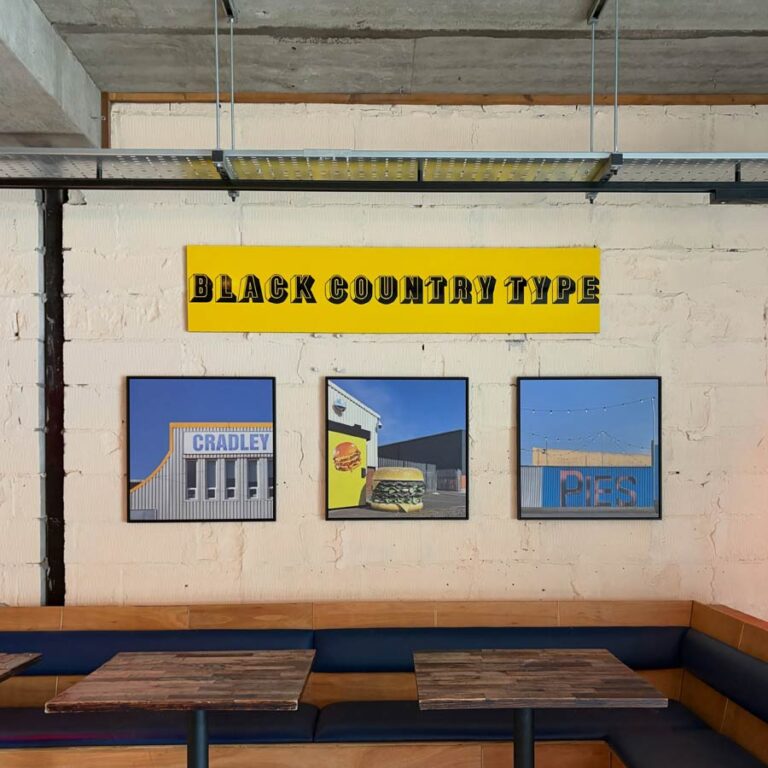
Artwork presents a similar challenge. A small print hung alone on a large wall looks lost and apologetic. Go larger than feels comfortable. Hang pieces closer together in a gallery arrangement than instinct suggests, around five to eight centimetres between frames. And hang everything lower than you think, at roughly eye level for a standing adult, which is typically around 145 to 150 centimetres to the centre of the piece.
Texture: The Ingredient Most People Forget
A room that is all smooth surfaces, glass, polished wood, painted plaster, will feel cold and lifeless regardless of how carefully the colours are chosen. Texture is what gives a room its sensory warmth, its sense of being inhabited and alive.
Designers speak of texture in terms of contrast. A linen sofa against a rough plaster wall. A velvet cushion on a rattan chair. A silk lampshade above a rough-hewn wooden table. It is the interplay between surfaces, soft and hard, smooth and nubbled, matte and reflective, that creates depth and interest.
Natural materials bring inherent textural richness that synthetic alternatives struggle to replicate. Wool, linen, cotton, leather, rattan, jute, stone, unsealed wood: these materials age beautifully and carry the kind of visual complexity that improves a room over years rather than months. Investing here, rather than in cheaper alternatives that mimic the look without the substance, is one of the most consistent pieces of advice designers offer.
The Art of Editing
Perhaps the most underrated skill in home decor design interior is the ability to edit, to remove rather than add. Designers are ruthless in this regard. They understand that empty space is not wasted space; it is breathing room, the pause that allows everything else to be seen and appreciated.
The principle is not minimalism for its own sake. It is about intention. Every object in a room should earn its place, either because it is beautiful, because it is meaningful, or because it is useful. Objects that are none of these things are visual noise.
A useful exercise: take everything off a surface, a mantelpiece, a bookshelf, a console table, and then put back only what you genuinely love. You will likely find you return a fraction of what you removed, and the surface, finally, will be able to speak.
The Expert’s Final Word
Good home decor design interior, at its heart, is not about following trends or spending lavishly. It is about paying close attention to the light in your rooms, to the proportions of your spaces, to the way you actually live, and making decisions that are both beautiful and true to you.
The rooms that endure, that continue to feel right years after they were designed, are rarely the ones that chased a moment in time. They are the ones that were made with honesty, patience, and a willingness to wait for exactly the right thing rather than settle for the merely available.
That, in the end, is what the experts know that the rest of us are still learning.