Few architectural features have changed the way we think about domestic space quite like bifold doors. Once viewed largely as a practical upgrade for extensions or garden rooms, they have evolved into something much more integral to contemporary home design, shaping not only how spaces look, but how they feel and function. In many ways, they have become symbolic of a broader shift in how we want to live, with interiors that feel lighter, less enclosed and more connected to the landscape beyond their walls.
The need to blur the boundary between inside and out has become one of the defining themes of modern residential architecture. Whether in urban renovations, country homes or new-build developments, the emphasis is increasingly on openness, natural light and continuity. Bifold doors sit at the centre of that conversation, offering a solution that is both practical and deeply aesthetic.
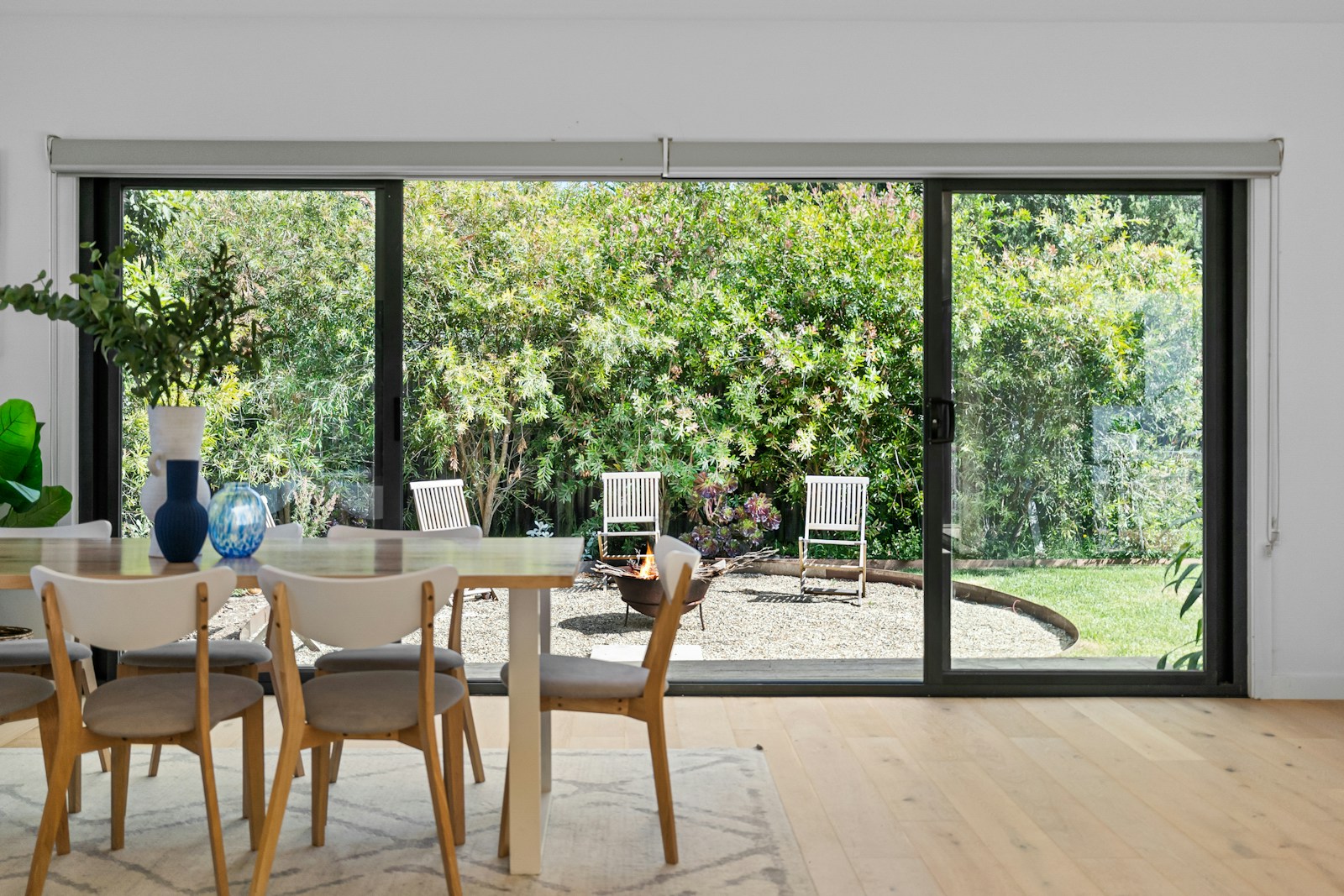
At their best, they do something quite extraordinary. Closed, they frame a garden almost like a panoramic artwork, flooding interiors with daylight while drawing the eye outward. When bifold doors are opened fully, they transform the relationship between house and garden altogether, creating a fluid threshold where the kitchen becomes the patio, dining room spills into the garden, and outdoor space begins to feel like another room.
That sense of expanded living is a large part of their appeal. In the UK in particular, where even modest gardens carry enormous value, bifold doors offer a way of maximising every inch of a property. They make homes feel larger without physically increasing their footprint, borrowing visual and experiential space from the outdoors.
Natural light, of course, is another compelling part of the story. Designers have long understood its effect on interiors. It alters the perception of scale, softens materials, lifts colour palettes and brings a quiet dynamism to everyday rooms. Timber floors glow differently in shifting daylight. Stone surfaces gain depth. Even the atmosphere of a room changes throughout the day. Bifold doors, with their large glazed expanses and minimal framing, allow that quality of light to become a central design feature in its own right.
This is one reason they have become so closely associated with open-plan kitchen extensions, now almost a hallmark of British renovation culture. The combination feels natural. Large kitchen islands orientated towards the garden, porcelain flooring running seamlessly from interior to exterior, planting schemes designed as visual continuations of indoor palettes, these are no longer niche architectural gestures but increasingly mainstream aspirations.
Material choice plays a significant role in achieving that look, and aluminium has become the dominant choice for premium bifold systems. Its popularity owes much to its structural strength, allowing for slimmer frames and larger panes of glass than other materials typically permit. The result is a cleaner aesthetic, with uninterrupted sightlines and a minimalist architectural feel that suits both contemporary and traditional settings.
Leading UK bifold door manufacturers have driven much of that innovation. Origin has become one of the most respected names in the sector, known for bespoke aluminium systems and elegant slimline profiles that appeal particularly to design-conscious homeowners. Their products have helped define the modern British bifold aesthetic.
Equally influential is SUNFLEX UK, whose German-engineered systems are often specified in architect-led residential projects where precision, minimal sightlines and engineering quality are paramount. Their bifold and sliding systems have become favourites in high-end glazing design.
Then there is Schüco, whose reputation in architectural aluminium systems needs little introduction. Often seen as a benchmark for premium performance and design integrity, Schüco products are frequently specified where thermal efficiency, security and visual refinement are equally important. Alongside them, Reynaers Aluminium continues to play a major role in luxury residential glazing, offering beautifully engineered door systems that balance technical performance with elegant detailing.
What often separates one system from another lies in subtleties homeowners may not initially consider. Sightline widths, threshold detailing, hardware feel, opening configurations and frame finishes all contribute to the final effect. In high-quality projects, these details are rarely incidental.
Threshold design in particular has become increasingly important in contemporary schemes. Flush thresholds that allow internal flooring to run almost uninterrupted to outdoor paving can make a remarkable difference to how seamless a space feels. It is a relatively modest detail, yet it often defines whether a project genuinely achieves indoor-outdoor continuity or merely gestures towards it.
There is also a growing appreciation that bifold doors should be considered as part of a broader design composition rather than as a standalone product decision. Interior designers often speak about designing towards the view, positioning furniture, lighting and circulation around the glazing rather than treating it as a backdrop. A kitchen island orientated towards open garden doors changes how a room is inhabited. A dining area positioned to capture evening light through glazing alters atmosphere completely.
This is where bifold doors become less about product and more about architecture.
Interestingly, their appeal is by no means confined to starkly modern homes. Some of the most successful applications are in period properties, where contemporary glazing introduces a striking contrast against older architectural fabric. Victorian rear extensions with steel-look aluminium bifolds can feel both contemporary and sympathetic. In country homes, softer heritage finishes and warmer material palettes can make bifold systems sit surprisingly comfortably alongside more traditional architecture.
The old assumption that bifolds belong only in minimalist glass-box extensions has rather fallen away.
Of course, even the finest system depends heavily on installation quality, something often underestimated until problems arise. Precision matters enormously with bifolds, from structural preparation and threshold detailing to alignment and long-term weather performance. A beautifully designed door can be compromised by poor fitting just as quickly as a modest system can be elevated by excellent installation.
For homeowners in Yorkshire, Leeds Bifold Experts, Luxe Glazing have become known for exactly this combination of technical expertise and design-led installation. Their work reflects an understanding that glazing is not simply about fitting doors, but about shaping architectural openings that feel integrated and resolved. Particularly for bespoke projects, involving specialists early in the design process can make a substantial difference.
As glazing trends evolve, some homeowners naturally weigh bifolds against large-format sliding doors, which have gained popularity in recent years. Sliders offer expansive uninterrupted glass and, in some settings, a more minimalist visual language. Yet bifolds retain a distinct advantage where the aim is to remove the barrier between inside and out almost entirely. Few alternatives allow an elevation to open so completely.
And that remains their magic.
Because beyond specifications and aesthetics, bifold doors alter everyday life in ways that are hard to quantify on paper. They invite gardens into kitchens. They change how summer evenings unfold. They allow spaces to breathe.
That, perhaps, explains their enduring appeal more than any technical argument could.
In a property market increasingly shaped by lifestyle aspirations as much as square footage, features that enhance light, flexibility and connection to outdoor space carry undeniable value. Bifold doors answer all three, while bringing a degree of quiet architectural drama that few other interventions can match.
They do not merely open a wall.
They change how a home lives.