With house prices on the rise and planning restrictions making it more difficult to move, homeowners across the UK are increasingly turning to loft conversions as an effective way to create extra space. There are seven main types of loft conversions available, each with its own advantages, challenges, and suitability for different property styles. The choice of conversion will not only affect the cost and complexity of the project, but also the planning permissions required and the potential value it can add to your home. Before embarking on any project, it is essential to consider structural factors, local planning regulations, and your own personal requirements.
The Seven Main Types of Loft Conversions
Homeowners seeking to extend upwards face several options. The principal types of loft conversions in the UK are roof light (Velux), dormer, hip-to-gable, mansard, L-shaped, modular, and pre-fabricated conversions. Each method offers varying degrees of cost, complexity, and increased living space.
Roof Light (Velux) Loft Conversion
Roof light conversions, often referred to as Velux conversions after the popular window brand, are the simplest and least disruptive type. This approach involves installing roof windows into the existing roof slope without altering the main roofline. As a result, costs remain relatively low—typically starting at around £20,000. However, these conversions are most suitable where there is sufficient existing head height, as the usable floor area is limited by the shape of the original roof. Roof light conversions rarely require planning permission, making them a popular choice for those looking to avoid complex approval processes. The finished space, however, tends to feel more compact and may be best suited to a spare bedroom or home office.
Dormer Loft Conversion
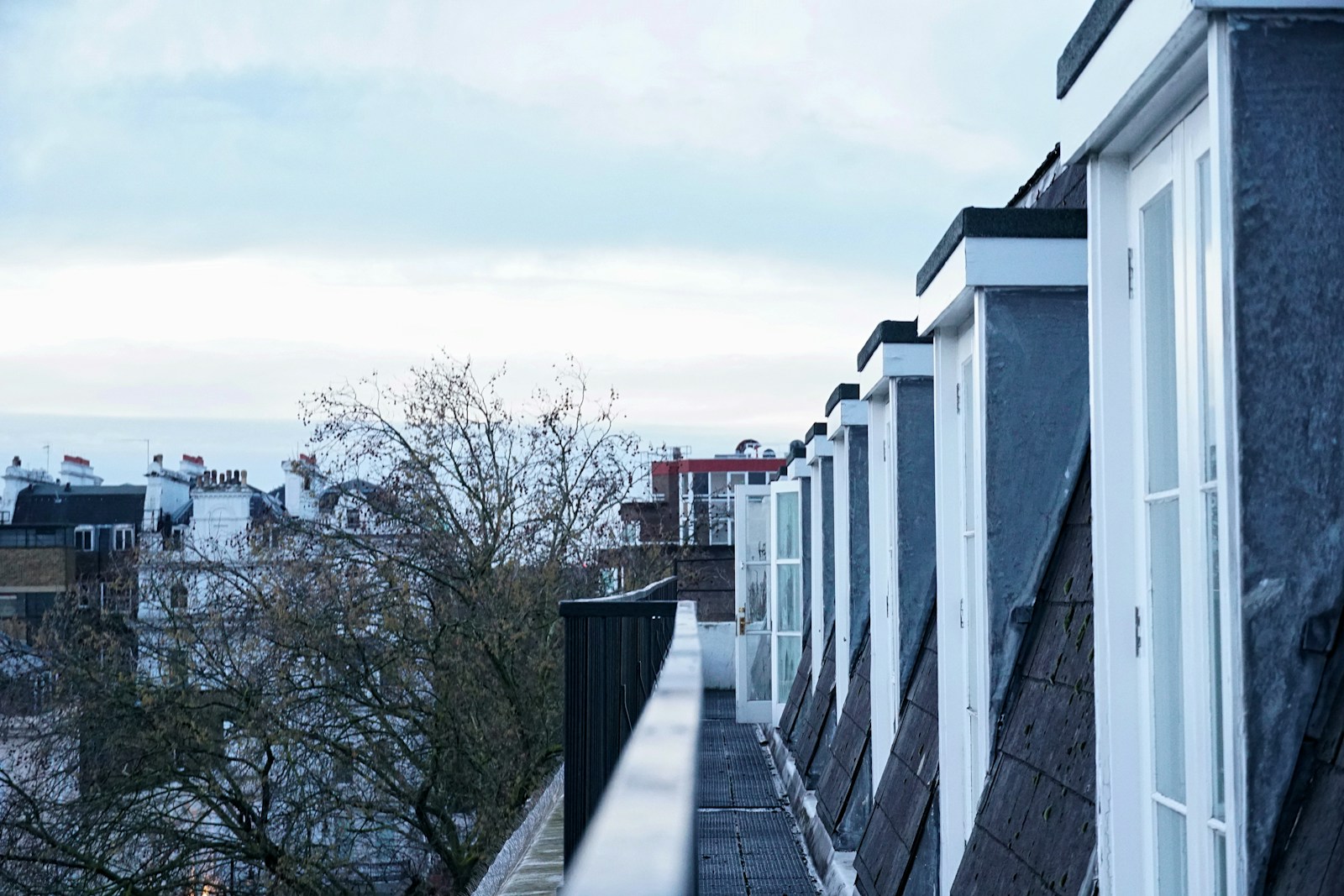
The dormer is the most widespread loft conversion in the UK, valued for its ability to provide significantly more headroom and useable floorspace. This method involves constructing a box-shaped extension projecting from the existing roof, creating vertical walls and flat ceilings inside. Dormer conversions can be built in various styles, including flat-roof, pitched-roof, and arched dormers, with flat-roofed versions being the most common. In most cases, rear dormers fall under permitted development rights, avoiding the need for a formal planning application, though costs usually begin at £40,000 and increase according to specifications and finishes. While dormers are especially suitable for terraced and semi-detached homes with adequate roof volume, their external appearance can sometimes be contentious, particularly on front elevations. Local authorities may restrict large dormers visible from the street, and careful attention is required to ensure proper waterproofing to prevent leaks.
Hip-to-Gable Loft Conversion
Hip-to-gable conversions are particularly effective for end-terrace and semi-detached properties with hipped roofs, where the side slope of the roof is extended vertically to form a new gable wall. This modification increases the internal volume of the loft, often allowing for a full-width rear dormer and substantially enhancing the available space. Prices for hip-to-gable conversions usually start at around £35,000 due to the additional structural work required, including new brickwork and roof supports. This type is frequently seen in 1930s homes throughout London and the Home Counties. Depending on local planning regulations, matching materials may be required for the new gable, and some councils limit the scale of these extensions.
Mansard Loft Conversion
Mansard conversions, inspired by 17th-century French architectural styles, involve replacing one or both roof slopes with a steeply angled wall and a flat or shallow-pitched roof on top. This design maximises the usable space, effectively creating an extra storey within the property. Mansard conversions are among the most expensive options—typically starting from £60,000—and almost always require full planning permission, especially in conservation areas or on listed buildings. These conversions are particularly popular in densely populated urban areas such as London, where Victorian and Georgian terraces benefit from the balanced exterior appearance of a mansard. Construction is more disruptive, as it may require temporary removal of the existing roof structure, but the resulting space is substantial and versatile.
L-Shaped Loft Conversion
The L-shaped loft conversion is created by combining two dormers—one on the main roof and another over a rear extension or outrigger. This configuration is especially common in Victorian and Edwardian terraced houses with existing back additions. An L-shaped conversion forms a distinctive layout, making it ideal for master bedrooms, en suites, or even multiple new rooms. Costs begin at around £55,000 and depend on the extent of structural modifications required. Planning regulations differ by area, but rear-facing dormers are generally more acceptable than those facing the street. A solid existing structure is essential, and party wall agreements with neighbours are often required due to the shared walls in terraced properties.
Modular and Pre-Fabricated Loft Conversions
Modular loft conversions use pre-fabricated pods that are manufactured off-site and craned into position on the property. This approach significantly reduces on-site construction time and disruption, though it can introduce additional challenges such as the need for crane access and potential road closures. Costs for modular and pre-fabricated loft conversions typically range from £50,000 to £80,000, depending on design and site accessibility. While this method remains a minority choice in the UK, its popularity is steadily increasing, particularly for new-builds or properties where traditional construction methods are impractical. Homeowners interested in rapid installation and minimal disturbance may find modular systems especially appealing.
Planning Permission, Building Regulations, and Added Value
The type of loft conversion selected directly influences the need for planning permission, compliance with building regulations, and the potential increase in property value. Most roof light and standard dormer conversions fall within permitted development limits, as long as they do not add more than 40 cubic metres (for terraced homes) or 50 cubic metres (for detached and semi-detached homes) of new roof space. More extensive or visually prominent conversions, such as mansards or front dormers, almost always require full planning consent. All loft conversions must comply with building regulations, which cover fire safety, structural integrity, insulation, and safe access. For example, staircases to new rooms must meet minimum width and headroom standards. According to the Royal Institution of Chartered Surveyors, a well-executed loft conversion can add up to 20% to the value of properties in high-demand areas. Party wall agreements are frequently necessary for terraced and semi-detached homes, with formal written notice required before commencing structural work.
Suitability by Property Type
The most suitable loft conversion depends on the existing roof structure and the homeowner’s objectives. Roof light conversions are ideal for properties with steeply pitched roofs and sufficient headroom, while dormer and L-shaped conversions are particularly effective in Victorian and Edwardian terraces. Hip-to-gable and mansard conversions are best suited to larger semi-detached or detached houses with hipped roofs. Modular and pre-fabricated systems are gaining traction in new builds or properties where traditional construction is challenging. Each approach involves clear trade-offs: roof light conversions are affordable and quick but limited in space, while dormers and mansards offer maximum room at higher cost and complexity. Local authority rules, conservation status, and structural viability play a crucial role in determining what is possible for each property.
Current Trends and Market Factors
The popularity of loft conversions has surged in recent years, particularly since the pandemic, as homeowners seek to create home offices, additional bedrooms, or flexible living spaces. Industry data indicates a significant rise in loft conversion enquiries, with a 34% increase reported by the Federation of Master Builders between 2021 and 2023. In cities such as London, the high cost of moving and intense competition for space have made loft conversions an essential option for many families. However, labour shortages and inflation have driven up prices across all types of conversions, and homeowners may face waiting times of six months or more for reputable contractors. At the same time, local authorities have become stricter in enforcing planning rules, particularly in conservation areas or where poor construction practices have led to issues. Ultimately, the right loft conversion is the one that aligns with the property’s structure, the available budget, and the homeowner’s long-term plans. For expert assistance at every stage, consider consulting specialists such as Berry Construction UK, who can guide you through the complexities of design, permissions, and building regulations to achieve the best possible outcome for your home.