UK-based engineering firm Transicon has successfully launched a cutting-edge control system in the Amazon rainforest, designed to monitor climate change through a network of experimental arrays. This achievement finalises a significant international upgrade involving two of the three key global forest climate research sites.
The project was completed remotely by Transicon engineers from their West Midlands headquarters, working in partnership with the Birmingham Institute of Forest Research (BIFoR). The system manages clusters of instruments—including valves, gas analysers, and wind sensors—that assess the effects of elevated CO2 levels on mature trees.
Originally developed for BIFoR’s Free-Air Carbon Dioxide Enrichment (FACE) experiment in Staffordshire, the industrial control system utilises Siemens technology to provide reliable and consistent experimental control. Data collected from the Staffordshire site contributes to global climate models that underpin international policy decisions.
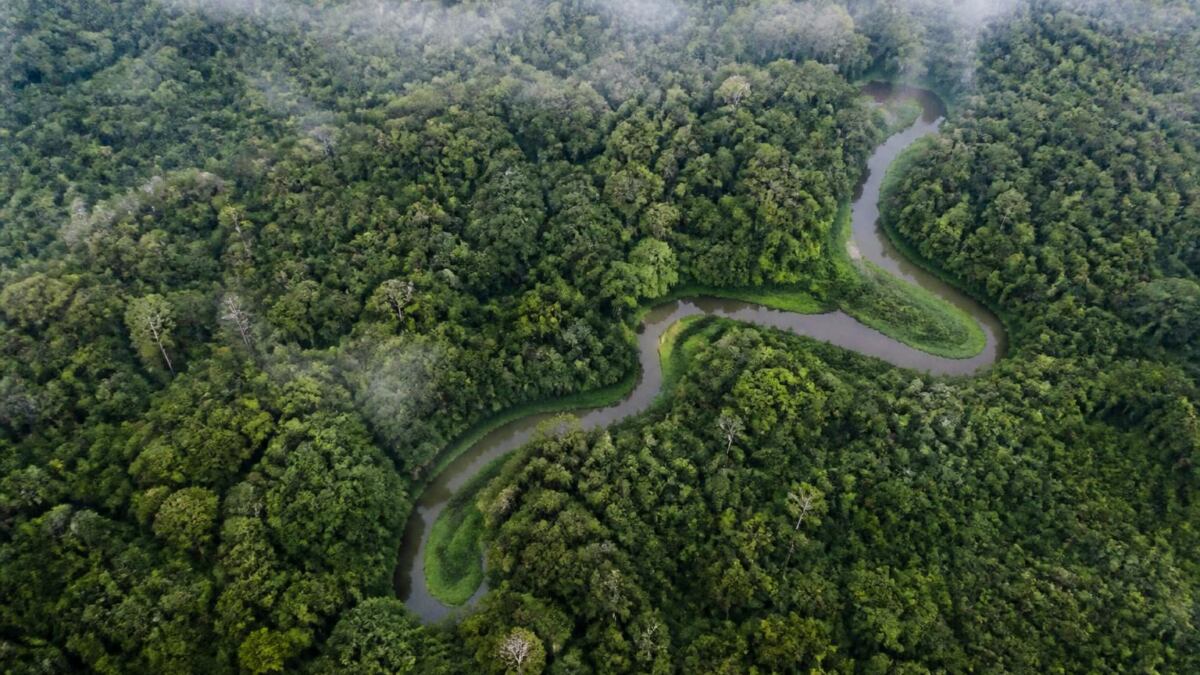
Following its success in the UK, the system was adapted and deployed to enhance the second FACE site located north of Manaus, Brazil. Earlier this year, Transicon and BIFoR engineers travelled to the Amazon to install the equipment, with the final commissioning performed remotely, linking the rainforest site to a control room in Telford.
To aid researchers in identifying specific monitoring zones, each array has been assigned a unique name. While the UK arrays bear Star Wars character names, the Amazon arrays feature Pokémon characters such as Squirtle and Blastoise. As arrays become operational, their on-screen silhouettes transform into the corresponding named figures.
Jennifer Hughes, General Manager at Transicon, explained: “The Amazon upgrade centres on a new state-of-the art CO2 delivery and control system which we first developed for the Staffordshire FACE project. Our original solution was designed and developed to provide a blueprint for reliable, consistent experimental control systems so the fact it has now been implemented across the other side of the world to support vital research in the Amazon rainforest is absolutely fantastic. It just shows how far the system and technology can be trusted to perform, wherever in the world it is needed.”
Hughes added: “The new system replaces bespoke legacy components with industry-standard platforms which makes real-time monitoring much easier and more accurate for researchers working on this globally significant project. Bringing the arrays to life with Pokémon characters was an added fun element designed by our engineers, but it is actually a really useful way for researchers to be able to clearly identify which array they are looking at and drawing data from.”
Dr Kris Hart of BIFoR commented: “The Transicon team has transformed our research capabilities with their innovative approach to modernising our control systems. Their expertise in designing and developing a system which we could implement across multiple research sites has been invaluable. This latest upgrade will significantly enhance our global research capacity to understand how forests in the Amazon respond to rising atmospheric CO2.”
He continued: “This work demonstrates how innovation in automation and digitalisation is not just benefiting industries like manufacturing and engineering but also playing a huge role in the environmental sector.”
The FACE experiments expose forests to anticipated carbon dioxide concentrations projected for 2050, providing critical insights into forest responses to climate change. The Amazon installation has received support from the Met Office and funding from the UK Foreign, Commonwealth & Development Office.