Building a new home in the UK is a complex and multifaceted process that can span several months. For prospective homeowners, understanding the timeline and various stages involved in constructing a new property is essential. This guide provides a comprehensive overview of the key steps from initial planning to the moment you receive your keys, ensuring that you are well-informed throughout the home-building journey.
Understanding the Timeline
The construction of a new-build home in the UK typically takes between six to nine months. However, this timeframe can vary considerably based on several factors, including when a buyer reserves a plot and the complexity of the construction. Buyers who reserve a plot ‘off plan’—meaning construction has yet to commence—may face a longer wait compared to those opting for a nearly completed home.
The Steps to Building a New Home
1. Planning and Design
The journey towards a new home begins long before any physical construction takes place. Housebuilders must create a comprehensive proposal to secure planning permission from local authorities, adhering to strict regulations set by the government. This planning phase is crucial, as it establishes the foundation for the entire project. In the UK, planning permission is governed by the Town and Country Planning Act 1990, which requires developers to submit detailed plans that consider local development policies, environmental impact, and community needs.
2. Site Preparation and Foundations
Once planning permission is granted, the next step is site preparation. Groundworkers clear the site of any vegetation, level the land, and excavate for essential underground utilities such as water, electricity, and sewage. Following this, the foundations are laid up to the damp proof course level, marking the commencement of the physical construction. The type of foundation used can vary depending on soil conditions and the design of the home, with options including strip foundations, raft foundations, and pile foundations.
3. Ground and Upper Floor Construction
With the foundations in place, the construction of the ground and upper floors begins. Depending on the chosen construction method, this may involve techniques such as blockwork, brickwork, or timber framing. Insulation is also installed to ensure energy efficiency in the completed home, which is increasingly important given rising energy costs and environmental concerns. According to the UK Government, new homes must meet energy efficiency standards outlined in the Building Regulations, which aim to reduce carbon emissions and promote sustainability.
4. Roof Installation
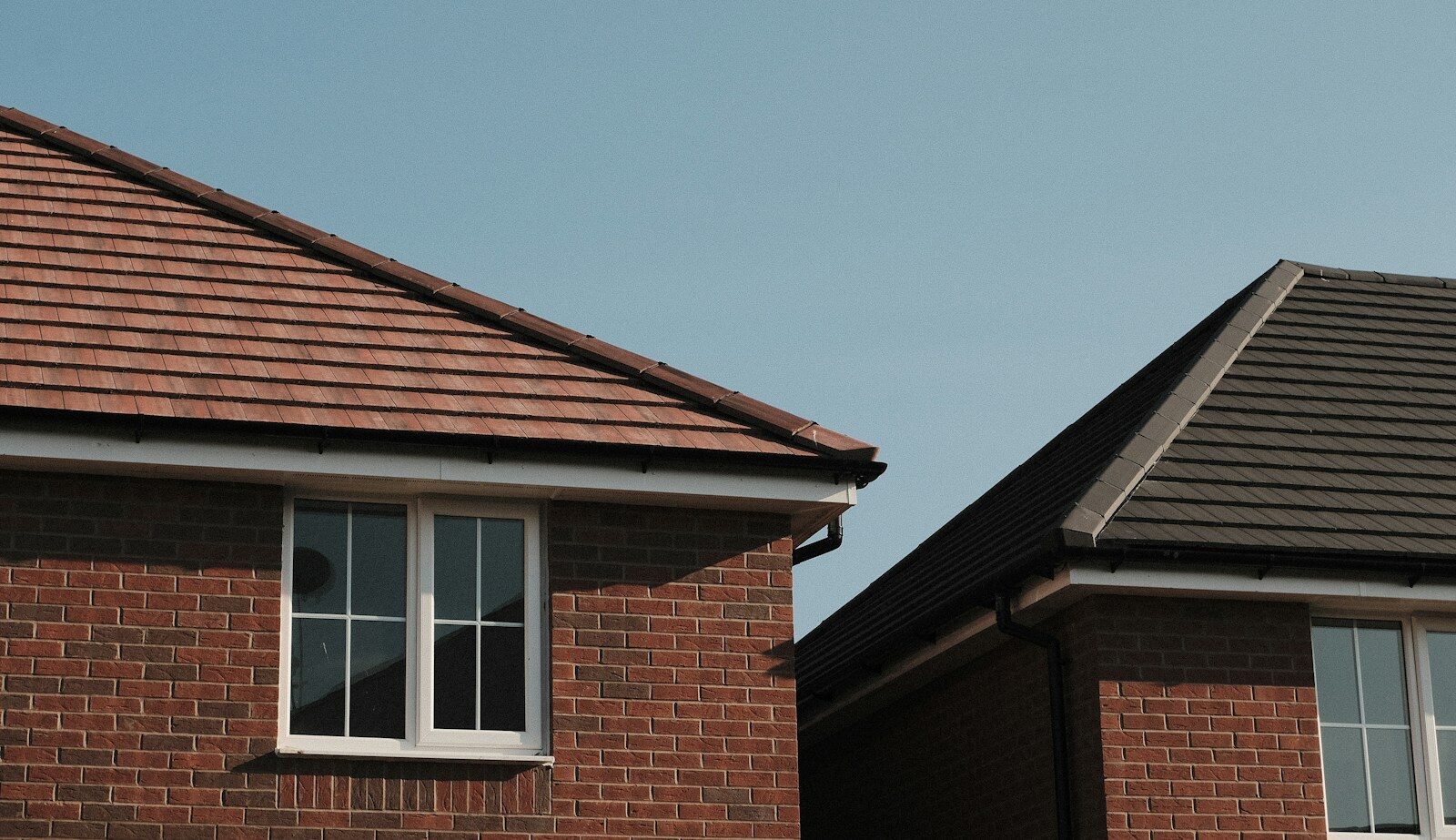
After the walls are erected, carpenters install roof trusses, securing them to the walls. Roofers then lay undercoating, felt, and tiles, completing the roofing phase. At this stage, windows and doors are fitted, making the home ‘watertight’. This is a critical stage in the construction process, as it protects the interior from the elements. The choice of roofing materials can also impact the overall energy efficiency and aesthetic appeal of the home.
5. First Fix: Plumbing, Electrical, and Heating
The ‘first fix’ phase occurs once the roof and walls are complete. This stage involves the installation of internal walls, floors, and ceilings, along with plumbing and electrical systems. Homeowners may also choose optional extras during this phase, followed by plastering to prepare the walls for finishing. Ensuring that these systems are installed correctly is vital for the long-term functionality of the home. Compliance with the IET Wiring Regulations and the Water Supply (Water Fittings) Regulations is essential during this phase to ensure safety and efficiency.
6. Second Fix: Fixtures and Fittings
Following the completion of plastering, the construction moves to the ‘second fix’ phase. This is where the home begins to take shape, with the installation of bathroom fixtures, internal doors, and electrical fittings such as sockets and switches. This stage allows homeowners to see their design choices come to life. It is also an opportunity for buyers to personalise their space, selecting finishes that reflect their style.
7. Flooring, Fittings, and Interior Finishes
At this stage, the interior of the home is finalised. Homeowners can expect their chosen kitchen to be fitted, along with tiling and carpeting. This is the moment when the house truly transforms into a home, reflecting the personal style and preferences of the new owners. The selection of materials and finishes can significantly impact the overall look and feel of the home, as well as its value.
8. Final Inspection
Before completion, the new-build home undergoes multiple quality checks. The final inspection is critical, ensuring that the property meets rigorous building standards and that all systems are operational. Following this, the legal completion process begins, which involves the transfer of ownership and finalising any outstanding paperwork. The Building Safety Act 2022 has introduced new regulations to enhance safety standards in residential buildings, particularly in light of recent high-profile incidents.
9. A Thorough Clean Before Completion
The last step before handing over the keys is a professional clean to ensure the home is immaculate for the new owners. This attention to detail enhances the excitement of moving into a brand-new property, making the transition smoother. A clean home not only looks appealing but also allows homeowners to settle in comfortably.
Challenges in Home Construction
Building a new home is not without its challenges. Delays can arise during the planning phase, due to extreme weather conditions, or from unexpected supply chain issues. While experienced site teams often manage these challenges effectively, they can impact the expected completion date. Homebuyers are encouraged to maintain close communication with their sales advisor to stay informed about any potential delays. According to a report by the Home Builders Federation, 80% of builders have reported delays due to supply chain disruptions, particularly in the wake of the COVID-19 pandemic.
Accelerating Your Move-In Process
For those eager to move into their new home sooner, several options may be available. Buyers can reserve a home that is ready for immediate occupancy, typically within a few weeks. Alternatively, they may consider schemes that assist in selling their current property quickly, helping to streamline the transition to their new home. These options can significantly reduce the stress associated with moving. Additionally, government initiatives such as the Help to Buy scheme can provide financial assistance to first-time buyers, making the process more accessible.
Conclusion
Understanding the process of building a new home can help demystify the journey for prospective buyers. With careful planning and expert construction, achieving your dream home is well within reach. As the UK housing market continues to evolve, staying informed about the building process can empower buyers to make the best decisions for their future. For further information, prospective homeowners can consult resources such as the National House Building Council (NHBC) and the UK Government’s official housing website.