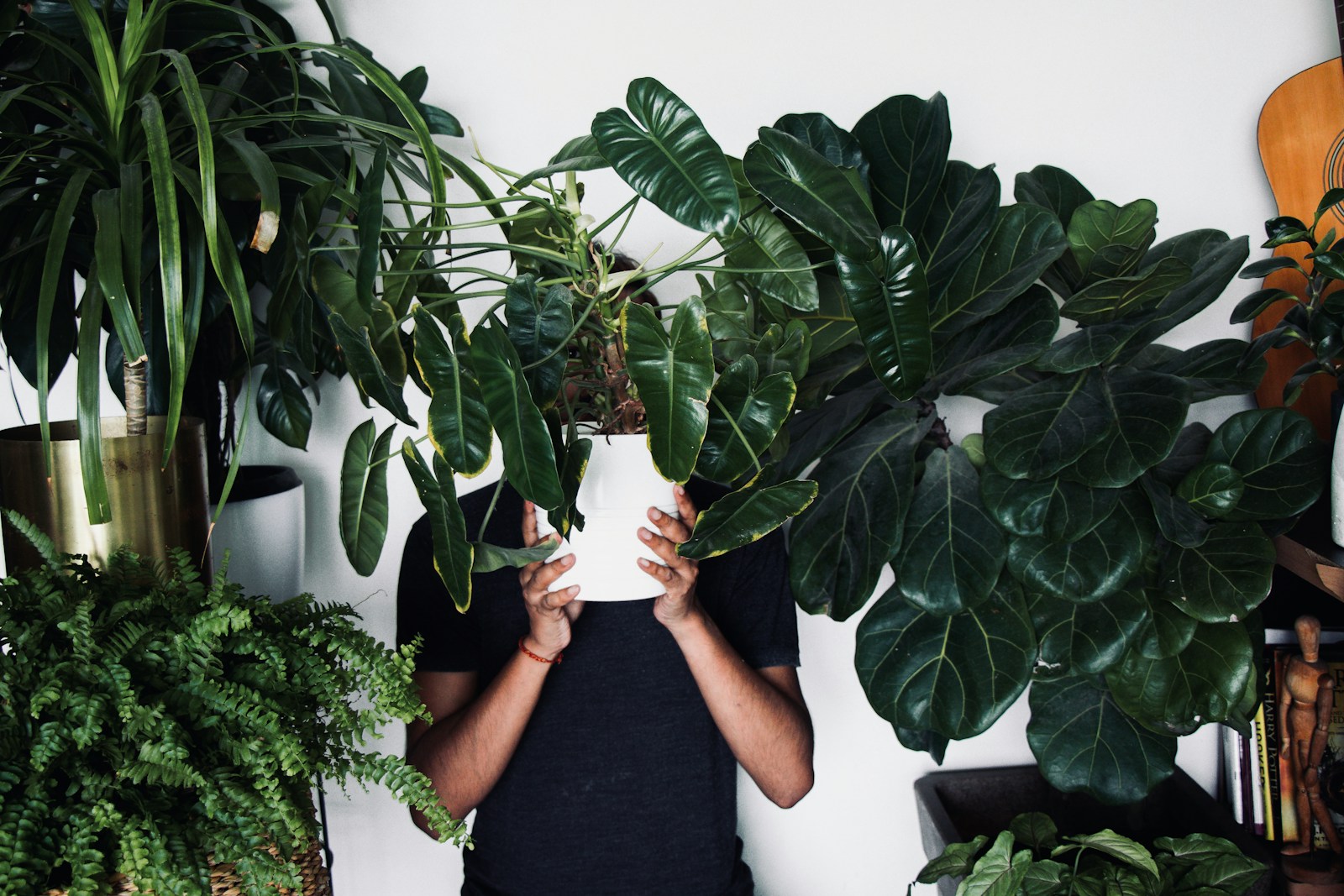
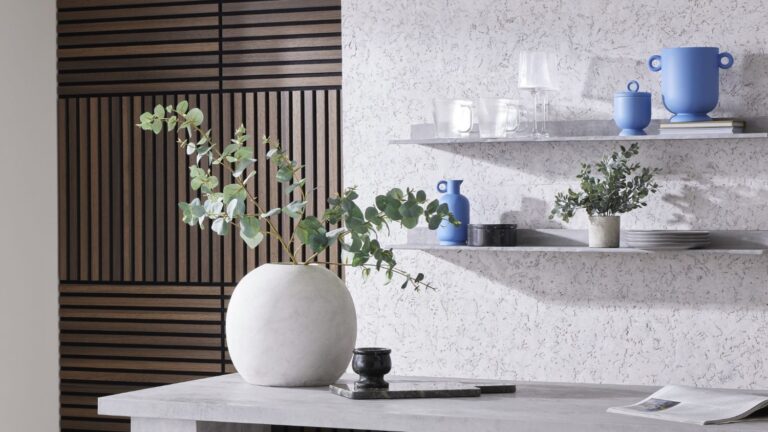
A greenery house is a home where lush living plants and natural elements are woven throughout the interiors. This style, inspired by biophilic design, brings nature indoors to enhance everyday life. It might involve houseplants on shelves and tables, hanging vines, wall planters or even living green walls. The goal is to create a calm, healthy atmosphere that makes a home feel fresh and vibrant.
What Is a Greenery House?
A greenery house isn’t a specific building type but a design approach. In practice, it means giving plants a starring role. Picture indoor gardens with large potted trees in hallways, cascading vines in the living room, or clusters of succulents in sunny windows. It goes beyond having a few decorative plants: the entire scheme is built around plant life. For example, one might use climbing plants to frame a window or turn an entire wall into a vertical garden. The result is a home that feels connected to the outdoors.
Why Greenery Matters
Bringing plants indoors has real benefits. Studies show that even viewing plants can reduce stress and improve mood. People in rooms with plants often feel calmer and more relaxed. Indoor greenery also helps concentration and creativity – for example, workers with plants nearby tend to perform tasks faster and more accurately. Overall, a room filled with green looks and feels more inviting and alive.
Plants can also improve air quality. Through photosynthesis, they release oxygen and absorb some common pollutants. A few houseplants in a room won’t totally purify the air, but they do contribute to fresher air and better humidity levels. Even a modest indoor garden gives the impression of cleaner, more comfortable air.
A thoughtfully designed room with indoor plants becomes a green oasis. Plants can also help absorb sound and reduce glare, making the space feel more comfortable. Designers call plants “living decor” because they add texture, colour and life that changes over time. A tall rubber plant or fiddle-leaf fig in a corner can emphasize a room’s height and soften edges. Even small plants on a side table can transform a plain shelf into a lively display. Overall, greenery brings a natural harmony to interior design.
Key Benefits of a Greenery House
- Air Quality: Plants produce oxygen and can absorb certain indoor toxins, making the air feel cleaner and fresher.
- Stress Reduction: Numerous studies link indoor plants to lower stress. Even having houseplants nearby or seeing green scenery is calming, which can improve mood and well-being.
- Improved Focus: In offices and homes alike, the presence of plants is associated with better concentration and productivity. People tend to work faster and more accurately when greenery is in view.
- Aesthetics: Plants add rich textures, organic shapes and natural colour that enhance décor. They serve as living artwork or room dividers, making spaces feel more welcoming and connected to nature.
Challenges and Considerations
Maintaining indoor plants requires planning. Large installations (like living walls) often need built-in irrigation and extra lighting. Without proper care, excess water can cause mold or pests. Keeping many plants healthy takes time and investment. However, with routine care and some planning, these challenges are manageable.
How to Create Your Greenery House
Start by matching plants to your home’s conditions. Bright south-facing windows suit sun-loving succulents or palms. Shadier rooms work with snake plants, peace lilies and other low-light types. Use shelves, stands or hanging baskets to vary heights: tall plants in corners, medium on tables, small on shelves.
Here are practical tips to make it work:
- Start Simple: Choose hardy plants first. Snake plants, pothos and spider plants are forgiving of occasional neglect, making them ideal for beginners.
- Group by Needs: Place plants with similar light and water requirements together. This makes care easier. Always use pots with drainage holes, so excess water can escape and roots stay healthy.
- Use Vertical Space: Employ wall planters, shelves and hanging baskets to add greenery without crowding floors. A vertical garden panel or tiered plant stand can turn an empty wall into a green feature.
Plant choice is key. Succulents (above) thrive on sun and need little water, ideal for sunny spots. In darker areas, go for shade-tolerant types like philodendron or rubber plant. Even a small herb rack in the kitchen (with basil, mint or rosemary) adds both beauty and function. The right plants, in the right places, make a greenery house flourish with minimal effort.
Common Mistakes to Avoid
Even plant enthusiasts can slip up. Avoid these common pitfalls:
- Overwatering/No Drainage: Only water when needed and always use pots with holes. Too much water can drown roots very quickly.
- Wrong Placement: Check each plant’s light preference. For example, a cactus needs a sunny spot, while ferns or peace lilies do better in shade.
- Neglect: Plants need basic upkeep. Wipe dust off leaves, trim dead parts and keep an eye on watering. Forgetting plants for months can lead to decline.
- Cluttering: Spread plants around the room rather than crowding them in one spot. Too many plants tightly grouped can look busy and stress the plants; balance greenery with open space.
Best Practices and Expert Tips
Interior designers treat plants as important decor elements. Use a statement plant or arrangement to anchor a space, much like art. A large fiddle-leaf fig or rubber tree adds presence and highlights tall ceilings. Mix different leaf textures (broad vs feathery) for contrast. Many experts recommend using mature plants for immediate impact. Place plants with purpose – flank a sofa, edge a bookshelf or fill a nook. In humid spaces (bathroom, kitchen), choose moisture-loving species. Integrating plants into your furniture layout creates a cohesive, natural look.
Examples of Greenery Houses
Homes around the world show how greenery transforms spaces. For example, Singapore’s Living Grid House floods rooms with light and even uses living green walls to blur indoor/outdoor boundaries. City dwellers often create vertical plant walls or plant-filled balconies. Even a simple herb window box or a few pots on a balcony railing can bring greenery into everyday life.
Conclusion
Bringing abundant greenery into your home can dramatically improve the atmosphere and your well-being. The trend of the “greenery house” is about more than looks: it’s about building a healthier, happier living space with nature. With careful selection and care, even a small home can benefit from living plants. The best greenery houses use plants thoughtfully – adding life and calm to every room without overwhelming it. The key is balance: match each plant to its spot and use greenery as living decor. The end result is a home that feels vibrant and alive.
Frequently Asked Questions
What is a greenery house?
A greenery house is a home designed around indoor plants and natural decor. The concept means using live plants throughout the house (on floors, walls, tables, etc.) as key elements. It’s an approach to interior design based on biophilic principles – combining everyday living spaces with nature for improved well-being.
How do indoor plants affect air quality?
Plants convert carbon dioxide to oxygen and can absorb certain airborne toxins. Studies (including NASA’s) show common houseplants can remove chemicals like formaldehyde from the air. In practice, having plants can slightly improve indoor air and humidity, but you would need many plants for major filtration. Still, each healthy plant contributes to a fresher environment.
Which houseplants are easiest to care for?
Easy houseplants include snake plant, ZZ plant, spider plant, pothos and peace lily. These species tolerate a range of light levels and watering schedules, making them ideal for beginners. Succulents (like aloe or echeveria) are also low-maintenance if you have a very sunny spot and can water them infrequently.
How often should I water my indoor plants?
It depends on the plant and conditions. A simple rule is to water when the top 2cm of soil has dried out. Many tropical houseplants need watering about once a week, while succulents may only need water every couple of weeks. Always check the soil first, and ensure pots have drainage so you don’t overwater.
What are the common mistakes with indoor plants?
Common errors include overwatering, incorrect light exposure, and no drainage in pots. Overwatering is frequent – roots need oxygen too. Also, placing a plant in the wrong spot (for example, a sun-loving plant in a dark corner) will stress it. Finally, skipping plant care (dusting leaves, feeding soil, or pruning) can cause poor growth. Avoiding these mistakes helps plants thrive.
Do living green walls require special equipment?
Yes. A wall filled with live plants usually needs a built-in irrigation system and often extra grow lights to keep plants healthy. Without even watering and enough light, many plants on a vertical wall will struggle. Some people opt for faux plant panels for the look with less upkeep (though they won’t provide the same air or wellness benefits).
References
- Interior Design Institute – https://www.theinteriordesigninstitute.com/us/en/blog-the-rise-of-biophilic-design-bringing-nature-indoors
- PlanRadar – https://www.planradar.com/biophilic-design
- Architectural Digest – https://www.architecturaldigest.com/story/designer-tips-for-how-to-elegantly-integrate-indoor-plants-into-your-home
- Healthline – https://www.healthline.com/health/benefits-of-indoor-plants
- Cornell Cooperative Extension – https://warren.cce.cornell.edu/gardening/articles/houseplants-for-healthy-indoor-air
- Vistafolia – https://www.vistafolia.com/ideas-living-wall
- Proven Winners – https://www.provenwinners.com/plant-inspiration/tips-and-ideas/decorating-any-room-with-plants