
Guide to Clerkenwell Design Week 2026: Three Days That Could Change How You See Design
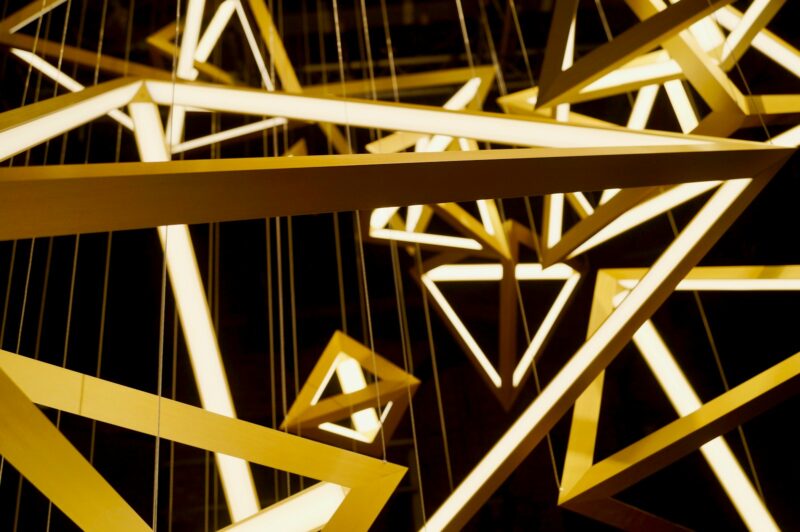
Photo by James Orr - Unsplash
Every May, a quiet corner of central London transforms into something that feels genuinely electric. The streets between Farringdon and Barbican fill with architects clutching paper cups of coffee, interior designers darting in and out of showrooms, and curious passersby stopping to gawp at sculptures that appeared overnight. If you’ve never been to Clerkenwell Design Week, you’re missing one of the most accessible, stimulating, and frankly enjoyable events London puts on all year. And if you have been before — well, the 2026 edition, the festival’s landmark 15th anniversary, is shaping up to be the biggest yet.
19–21 May 2026 | EC1, London | Free to Attend
Here’s everything you need to know to make the most of it.
What Is Clerkenwell Design Week?
At its most basic, Clerkenwell Design Week (CDW) is a three-day design festival spread across the EC1 postcode. But that description doesn’t really do it justice.
This is not a trade show you pay £40 to shuffle around a convention centre. CDW is free to attend (just register online for your badge), and it spills across an entire neighbourhood — through showrooms, converted warehouses, courtyards, Victorian industrial buildings, and out onto the streets themselves. The festival uses Clerkenwell the way a good curator uses a gallery: every room, every corner, every inch of space is considered.
And the location is no accident. Clerkenwell is home to more creative businesses and architects per square mile than anywhere else on the planet. This is where practices like Zaha Hadid Architects are based. It’s where some of the world’s finest furniture showrooms have quietly sat for decades, waiting for someone to push the doors open. CDW does exactly that — every year, for three days in May, it throws the whole neighbourhood wide open.
The numbers for 2026 are staggering: over 200 showrooms, 16+ curated exhibition venues, 450+ brands, 600+ programmed events, striking large-scale installations, a packed talks programme, food and drink partners, a fringe of local studio events, and an awards ceremony. Whether you come for an hour or all three days, you will not run out of things to see.
The Showrooms: Where the Real Magic Happens
The showrooms are the backbone of CDW, and they’re the thing that makes this festival unlike any trade event you’ve attended. These aren’t staged for the occasion — many are working showrooms that have been based in Clerkenwell for years, and during CDW they lay on specially curated programmes: product launches, workshops, talks, evening parties, and plenty of champagne.
Over 200 showrooms take part, representing brands covering furniture, lighting, surfaces, textiles, bathroom design, kitchens, accessories, and product design — from internationally established names to emerging studios you’ll be talking about years from now. The showroom programme is deliberately dense, so it rewards exploration rather than a rigid itinerary. Wander off the main route and you’ll often find something more interesting than what was on your list.
A few practical things: showroom opening hours vary (they’re not all open the same hours as the exhibition venues, so check the programme in advance or use the CDW app). Many showrooms host evening events, particularly on the Wednesday, when the exhibition venues stay open until 9pm — this is often when the most interesting networking happens and the atmosphere shifts from professional to properly convivial.
The Exhibition Venues: Curated and Concentrated
Alongside the showrooms, CDW runs a series of dedicated exhibition venues — 16+ this year — each with its own curatorial focus. These change year to year, and the 2026 edition continues to expand, with the footprint of the festival growing edition by edition.
The venues tend to be a curated mix of established international brands and emerging talent, covering furniture, lighting, surfaces, textiles, and product design. What’s clever about the venue format is the curation: you’re not wandering through a sprawl of unrelated stands, but moving through spaces that feel considered and coherent. Some venues focus on a specific typology — materials, say, or lighting — while others take a broader approach.
Exhibition venues are open Tuesday 10am–6pm, Wednesday 10am–9pm, and Thursday 10am–5pm.
The Installations: Stop, Look Up, Wonder
Every edition of CDW commissions striking installations that punctuate the festival route, giving the whole thing a sense of occasion that goes beyond simply looking at products. These aren’t afterthoughts — they’re often the things people remember most and photograph most, and they’ve become a genuine part of Clerkenwell’s character during the festival.
For 2026, CDW has launched a major new strand called Design Interventions — a curated series of large-scale installations dotted across EC1. This marks the 15th anniversary of the festival in some style, and the ambition is noticeably larger.
One highlight already confirmed is the Canary Clock Tower by Smile Materials — a tall sculptural marker inspired by the nearby St James Church and Clerkenwell’s historic tradition of clockmaking. There’s something fitting about that: Clerkenwell was the centre of London’s clockmaking trade for centuries, and a festival that exists to celebrate craftsmanship and ingenuity paying tribute to that heritage feels exactly right.
The installations are worth factoring into your route. They’re often positioned at key junctions or in unexpected locations, and finding them on foot — rather than following a map — gives the whole experience a pleasurable sense of discovery.
The Talks: Conversations Worth Having
CDW has always understood that design is a conversation, not just a catalogue of objects. The talks programme is one of the festival’s strongest assets, and in 2026 it’s broader than ever.
Conversations at Clerkenwell is the flagship talks series — an in-depth, three-day programme of discussions with established and emerging design talent. These tend to be genuinely substantive rather than promotional: the kind of talk where a designer actually explains their thinking rather than just showing slides of their portfolio. Dulux Trade is partnering with this programme in 2026, with a focus on colour and creativity.
Design Meets is a more intimate format, bringing together designers, specifiers, and clients for focused conversations around specific topics. Good for anyone looking to make meaningful industry connections rather than simply collect business cards.
[d]arc thoughts focuses specifically on lighting design — a specialist strand for architects and designers who want to go deep on one of the most technically demanding aspects of the built environment.
Design in Focus is delivered in partnership with Commercial Interiors UK, while Design Dialogues is curated by Design Milk, the influential international design platform. Between them, these strands ensure CDW’s programme covers commercial, residential, hospitality, and product design with genuine depth.
Check the programme in advance and book your spots early — the more popular sessions fill up.
The Fringe: Local Studios, Open Doors
Beyond the official programme, CDW runs a fringe of events hosted by local practices — studios and offices that open their doors to visitors, hosting workshops, displays, and presentations. This is one of the festival’s most charming aspects, and one that’s easy to overlook if you’re focused on the headline venues.
The fringe gives you access to working studios you’d normally have no reason to enter, and the atmosphere tends to be less formal and more experimental. It’s also where you’re most likely to stumble across genuinely surprising work — the kind of thing that hasn’t been packaged for a main stage but stays with you anyway.
The CDW Awards: Celebrating What’s Actually Good
New for last year and now expanded for 2026, the CDW Awards are run in collaboration with Design Milk and represent a genuine attempt to identify and celebrate outstanding work across multiple categories. Entry was open to exhibiting brands, and the awards ceremony itself is one of the festival’s social highlights.
The awards add a useful layer of editorial curation to what is otherwise a very large amount of content: if you’re overwhelmed by choice, following the shortlists and winners is a reasonable shortcut to the things worth paying attention to.
The Food, Drink, and Social Side
This deserves its own section, because it’s genuinely part of the CDW experience and not just a footnote. Clerkenwell has an excellent restaurant and bar scene — The Zetter, St John, The Betterment, quality Italian spots, neighbourhood wine bars — and many of them offer discounts and special deals for CDW visitors during the festival. Pick up the food and drink guide when you arrive.
The Wednesday evening is particularly worth planning around. With exhibition venues open until 9pm and showroom parties running well into the night, Wednesday at CDW is when the festival feels most like a celebration rather than a professional obligation. If you can only make one evening, make it Wednesday.
The CDW App: Your Essential Planning Tool
New for 2026, CDW has launched a dedicated app — and given the scale of the festival, this is genuinely useful rather than a gimmick. The app lets you build a wishlist of brands, talks, and events you want to see, plan your route, check opening times, and navigate between venues.
Download it before you go. The festival map is large, the programme is dense, and having everything in one place rather than juggling a physical map and a printed programme makes the whole experience significantly more relaxed.
Practical Information at a Glance
Dates: Tuesday 19 May – Thursday 21 May 2026
Location: EC1, Clerkenwell, London (closest stations: Farringdon, Barbican, Angel)
Cost: Free — but you need to register for a badge at clerkenwelldesignweek.com
Exhibition venue hours:
- Tuesday: 10:00–18:00
- Wednesday: 10:00–21:00
- Thursday: 10:00–17:00 (Showroom hours vary — check the programme)
Getting there: Farringdon station (Elizabeth line, Circle, Hammersmith & City, Thameslink) is the best entry point. The festival is walkable from Barbican and a short walk from Angel. Cycling is an excellent option — the area is well served by cycle lanes and Santander bike docks.
What to wear: Comfortable shoes, full stop. The festival involves a lot of walking, often across cobbled streets and up stairs into converted buildings. It can be warm in May but buildings vary — layers are sensible.
How long do you need? A focused professional visit can be done in a day. To genuinely explore — showrooms, talks, installations, fringe, and an evening — two days is the sweet spot. The dedicated will spend all three.
How to Get the Most Out of It: Real Advice
Do your homework the night before. The programme is enormous and going in with no plan means you’ll either be paralysed by choice or spend half the time wandering without direction. Spend 20 minutes the evening before identifying your three or four must-sees and building a rough route around them.
But don’t follow your plan too rigidly. The best things at CDW are often unplanned — the showroom you ducked into to escape the rain that turns out to have the most interesting furniture of the day, the fringe talk you stumbled into, the installation you almost walked past. Leave room for serendipity.
Go to one talk you wouldn’t normally choose. If you’re a residential interior designer, go to a talk about commercial workplace design. If you’re a product designer, go to [d]arc thoughts. CDW is one of the few occasions when the barriers between design disciplines are genuinely porous, and crossing them is usually instructive.
Don’t skip Thursday. Tuesday is busy with professionals, Wednesday is the social peak, and Thursday morning is where some of the best conversations happen — quieter, less frantic, with more time to actually talk to the people behind the brands. Thursday closes early (5pm), so plan accordingly.
Talk to people. This sounds obvious but it’s worth saying. CDW is one of the most naturally social design events in the world, and the community it brings together — designers, architects, specifiers, manufacturers, students, curious civilians — is genuinely diverse. The conversations you have over a glass of something in a showroom courtyard are often worth more than anything on the official programme.
Why It Matters
There are bigger design fairs — Milan’s Salone del Mobile draws hundreds of thousands of visitors from around the world. But CDW has something those events sometimes lack: a sense of place. It is inseparably tied to a specific neighbourhood, a specific community, a specific set of streets that have housed creative businesses for generations.
When you walk through Clerkenwell during design week, you’re not in a purpose-built exhibition hall. You’re in a working creative district that has temporarily made itself visible — thrown open its doors, hung work in its windows, and invited the world to look. That is, when you think about it, a genuinely remarkable thing.
The 15th edition feels like a moment of real confidence. CDW has grown, year on year, without losing the quality that makes it worth attending. It is still, fundamentally, about the work — about what designers and makers are doing, thinking, and making — and that keeps it honest.
Whatever brings you to Clerkenwell this May — business, curiosity, a particular brand you want to see, or simply the feeling that something interesting is happening and you want to be part of it — you won’t leave disappointed.
Register for your free badge at clerkenwelldesignweek.com and download the CDW app to start planning your visit.
Clerkenwell Design Week runs 19–21 May 2026 across EC1, London. Admission is free with registration. For the full programme, festival map, and venue information, visit clerkenwelldesignweek.com.