The British summer is famously unpredictable, shifting from rainy spells to sudden heatwaves. After recent wet weather across much of the UK, forecasters now anticipate warmer temperatures and the possibility of another heatwave in the weeks ahead. As outdoor areas become more frequently used, investing in furniture that endures all weather conditions is increasingly essential.
Data from Google Trends reveals a 500% year-on-year increase in searches for “weatherproof outdoor furniture sets,” reflecting a rising demand for garden furniture that balances resilience with aesthetic appeal. Whether you have a small balcony or a large garden, British outdoor furniture company Numa offers expert advice on designing an outdoor space that withstands the variable UK climate.
Durability Meets Style
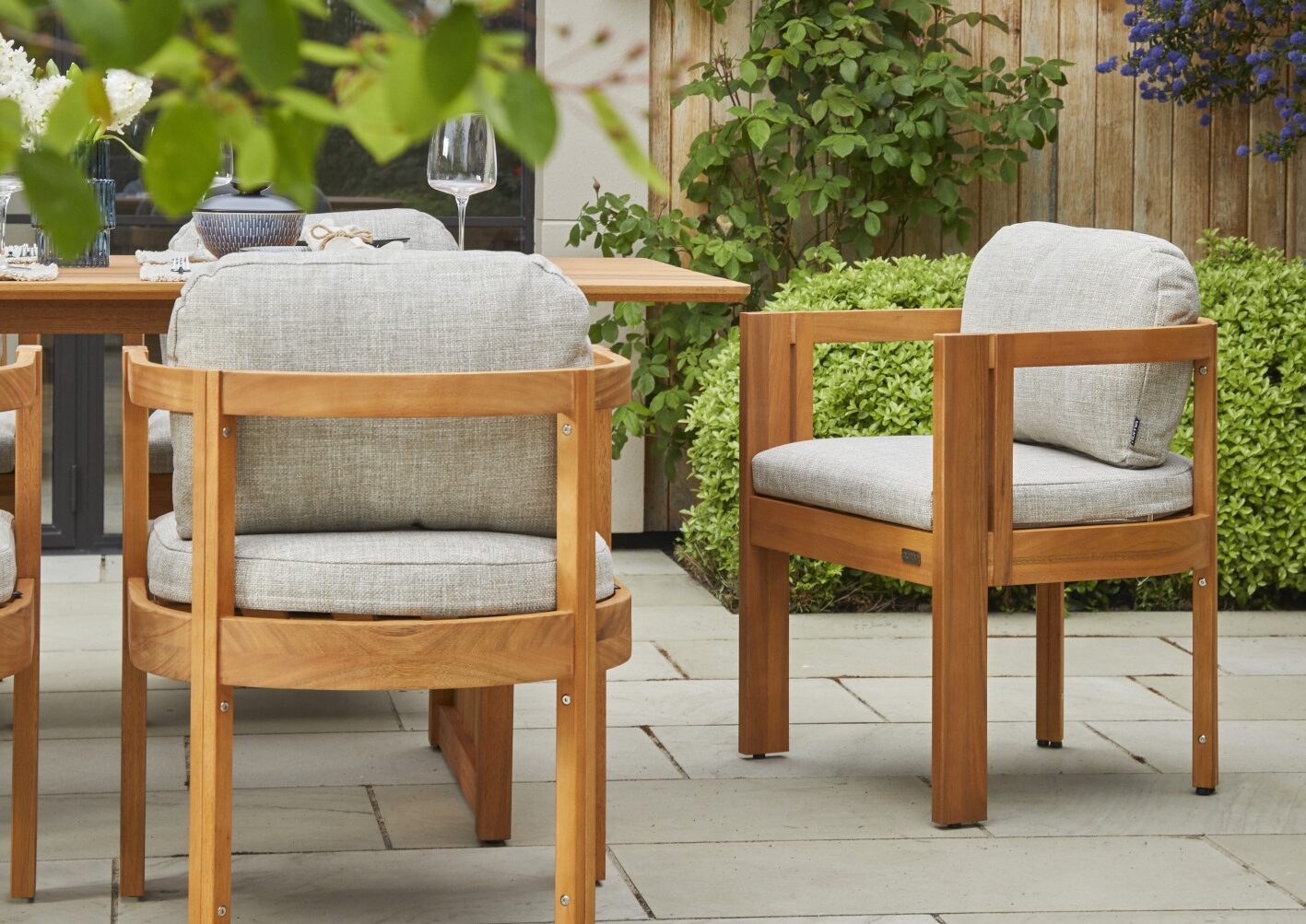
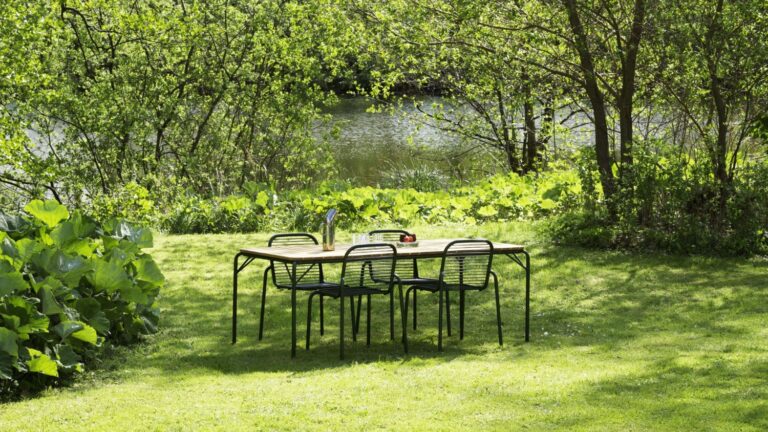
Jonny Brierley, Managing Director of Numa, emphasises the importance of selecting garden furniture that maintains its appearance and functionality over time. He explains, “When choosing your garden furniture, it is worth thinking about how it will perform over time alongside its looks. Materials make a huge difference. Heavy-duty aluminium, for example, is incredibly durable outdoors and can withstand the unpredictable UK weather conditions. Prioritise durable materials alongside stain-resistant fabrics that are easy to clean, so the furniture looks good season after season.”
Choosing the Right Fabrics
Brierley also highlights the need for low-maintenance, weather-resistant fabrics to ensure outdoor spaces remain enjoyable without constant upkeep. “Outdoor spaces should feel effortless to enjoy, so low maintenance is also key. Choosing weather-resistant fabrics and robust frames means you won’t spend your weekends worrying about the upkeep of your furniture,” he says.
He further explains the advantages of solution-dyed fabrics over cheaper alternatives: “Unlike cheap fabrics that are printed with colour on the surface, waterproof fabrics are often solution dyed. This means the pigment is integrated into the fibre itself during production. The result is a fabric that can sit in direct, unrelenting sunlight for years without fading or losing its structural integrity.”
Addressing comfort, Brierley notes, “Many waterproof outdoor fabrics feel stiff, waxy, or hot to the touch. Weatherproof fabrics are engineered for breathability and a ‘soft-to-skin’ feel. They allow air to circulate, preventing the sticky, uncomfortable heat buildup common with lower-end synthetic materials, and ensuring your outdoor space feels like a true luxury lounge.”