Some sofas are designed to stand out immediately. Others disappear into daily life almost unnoticed.
Most IKEA sofas fall into the second category.
They are rarely the centrepiece of a room. They are the thing people collapse into after work, sleep on unexpectedly, rearrange during a move, or slowly wear into over several years. Their appeal is less about first impressions and more about how they function once the novelty disappears.
That partly explains why IKEA sofas remain so common in UK homes. They occupy a middle ground that many brands struggle to reach: practical without feeling temporary, affordable without looking overtly budget.
The interesting part is not how they look in a showroom. It is what happens after a year or two of actual use.
Designed around lived-in spaces
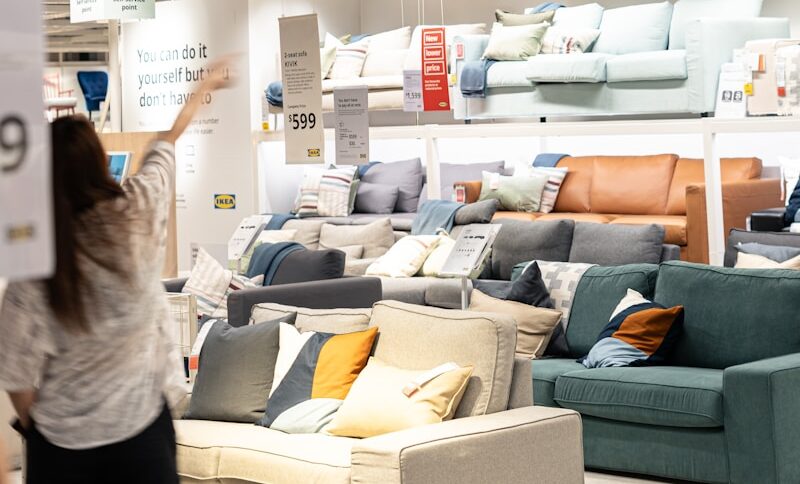
Furniture showrooms create controlled environments. Sofas are perfectly arranged, evenly lit, and untouched by routine.
Real homes are messier than that. Rooms change purpose. Cushions get claimed by one person. Corners wear unevenly. A sofa gradually adapts to the people using it.
IKEA seems to design with that reality in mind.
A lot of the range prioritises flexibility over presentation. Covers come off. Sections move around. Some models expand later if needed. That matters in UK homes, where living rooms are often smaller and used more heavily than idealised interior photos suggest.
The main IKEA sofa ranges
KIVIK: practical and dependable
KIVIK is probably closest to the default “family sofa” within IKEA’s range.
Wide seating, low arms, deep cushions. It feels stable rather than styled. The design is intentionally unobtrusive, which is part of why it works in so many spaces.
It also handles regular use reasonably well. The cushions soften over time, but usually without collapsing into shapelessness.
For households where the sofa gets used constantly, KIVIK tends to make sense.
SÖDERHAMN: softer and visually lighter
SÖDERHAMN takes a more relaxed approach.
The seating sits lower, the frame feels lighter visually, and the cushions are softer and deeper. In smaller rooms or open-plan layouts, that lighter appearance helps keep the space from feeling crowded.
It is less structured than KIVIK, though. Better for lounging than upright sitting.
Some people love that informality immediately. Others find it too soft after longer use.
EKTORP: classic comfort
EKTORP has a more traditional shape than most IKEA sofas. Rounded arms, softer lines, thicker cushions.
It is also one of the easier sofas to understand quickly. You sit down and immediately know what it is trying to do.
Comfort comes first. Structure comes second.
Over time it keeps that softer character, which works well in relaxed living rooms but less well if you prefer firmer support.
FRIHETEN: function over refinement
FRIHETEN is really built around practicality.
It combines seating, storage, and a pull-out bed in one piece, which makes it useful in smaller flats, guest rooms, or spaces doing multiple jobs at once.
The compromise is fairly obvious. Comfort is acceptable rather than exceptional.
Still, for many homes, versatility matters more.
Why IKEA sofas feel different after purchase
One of the most common reactions to IKEA sofas is that they feel different at home than they did in-store.
That change happens fairly quickly. Foam softens with regular pressure. Cushions settle into preferred seating patterns. The sofa starts adapting to how people actually use it.
This is normal upholstery behaviour, not necessarily poor quality.
The misunderstanding usually comes from expectations. IKEA sofas are designed around everyday comfort and repeat use, not deep luxury seating with heavily padded construction.
Once viewed in those terms, the experience tends to make more sense.
Durability is one of points of IKEA sofas
IKEA sofas often perform better than expected is long-term ownership.
Many models are designed around replaceable or washable components:
- removable covers
- modular sections
- replaceable cushions or parts
That changes the way wear develops. Instead of replacing an entire sofa because one section looks tired, owners can often refresh individual parts.
Frames generally hold up well under ordinary household use. The visible ageing tends to come from fabric wear or cushion softening before structural issues appear.
Why they suit UK homes particularly well
Scale plays a large role here.
A lot of British homes simply do not suit oversized furniture. Large sofas can dominate narrow terraces, flats, or compact living rooms very quickly.
IKEA’s proportions usually account for this better than many larger furniture retailers. The sofas tend to feel designed for ordinary rooms rather than oversized open-plan spaces.
That practicality matters more in daily use than showroom aesthetics often suggest.
Where problems usually appear
Most complaints about IKEA sofas come down to expectations rather than outright failure.
A few patterns appear repeatedly:
Cushion softening
What feels firm initially often becomes noticeably softer after regular use. Some people expect this. Others do not.
Size misjudgement
Showroom layouts can distort scale. Sofas that seem compact in-store sometimes feel much larger at home.
Choosing the wrong model for the room
A sofa designed for lounging will feel uncomfortable if someone wants upright support every evening. The mismatch is usually behavioural rather than visual.
Styling makes a bigger difference than people expect
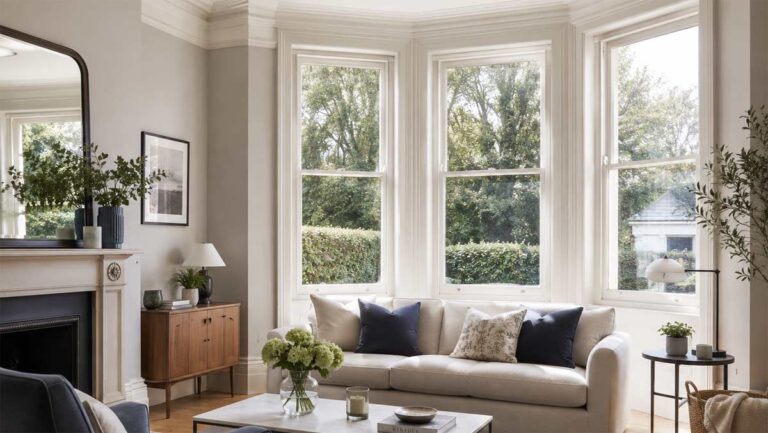
IKEA sofas are fairly neutral by design, which means the surrounding room does a lot of the visual work.
A few small changes alter the overall impression quickly:
- textured cushions instead of matching sets
- rugs that define the seating area properly
- side lighting instead of relying entirely on overhead lighting
- neutral sofa covers paired with darker accents
The sofa itself often matters less than the composition around it.
What they are like after a few years
After long-term use, IKEA sofas settle into a fairly predictable rhythm.
The cushions soften. Certain seats become more worn than others. The sofa becomes less of an object and more part of the routine of the room.
That is arguably where IKEA performs best. The furniture is designed to absorb ordinary life rather than resist it completely.
It will not remain pristine forever. Most people buying IKEA already understand that.
Final thoughts
The appeal of IKEA sofas has very little to do with exclusivity or luxury materials.
They work because they are adaptable, reasonably durable, and designed around ordinary living conditions. Covers can be replaced. Configurations can change. Most ranges fit comfortably into homes where space matters.
They are not statement pieces in the traditional sense. They are functional furniture built for repeated use over time.
For many households, that is exactly what makes them useful.
IKEA UK Sofas overview: https://www.ikea.com/gb/en/cat/sofas-fu003/
KIVIK sofa series: https://www.ikea.com/gb/en/p/kivik-sofa-series/
SÖDERHAMN sofa series: https://www.ikea.com/gb/en/p/soederhamn-sofa-series/
EKTORP sofa series: https://www.ikea.com/gb/en/p/ektorp-sofa-series/
FRIHETEN sofa bed: https://www.ikea.com/gb/en/p/friheten-corner-sofa-bed-with-storage/
IKEA product care and support: https://www.ikea.com/gb/en/customer-service/product-support/