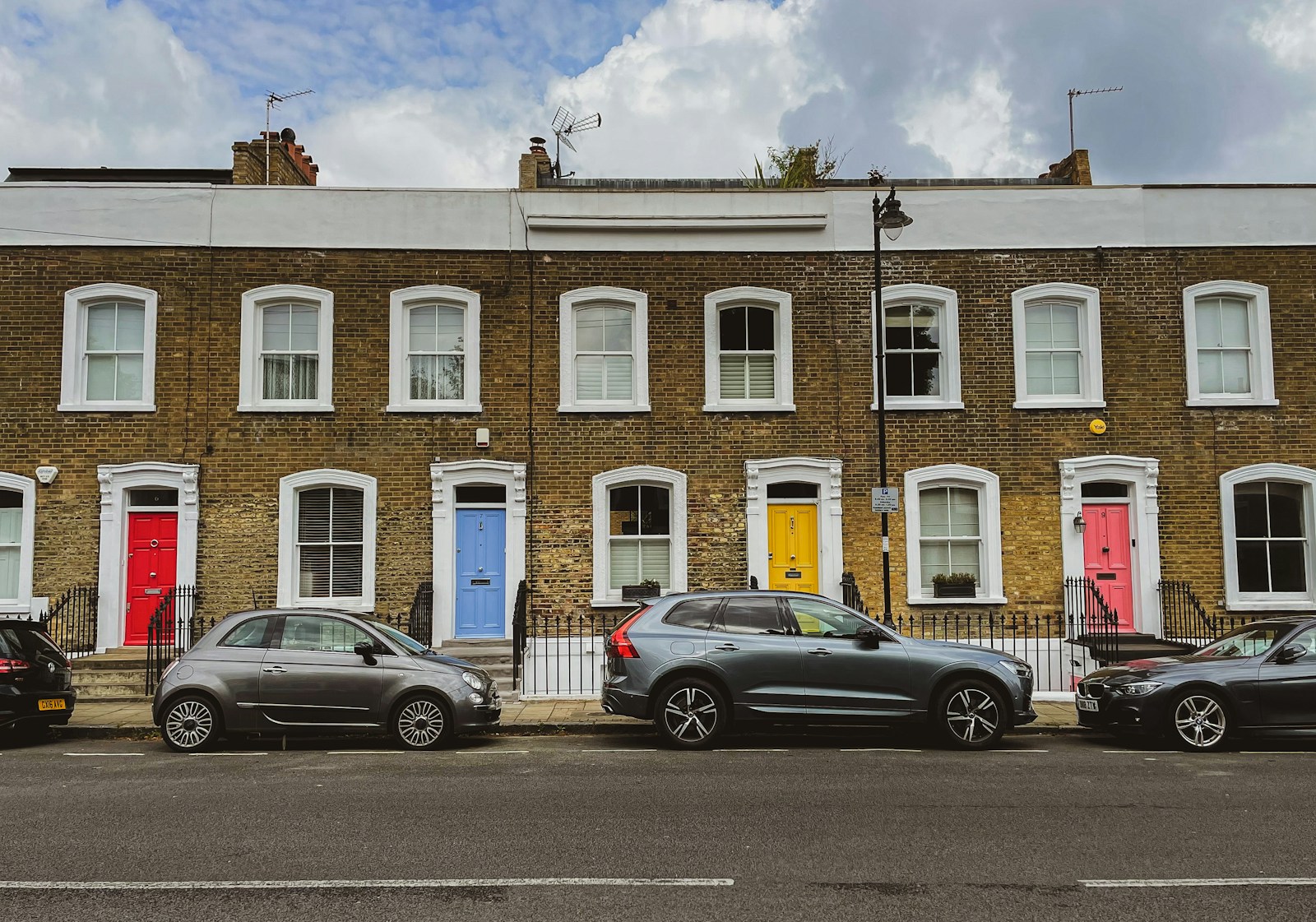
Many first-time buyers in London could be postponing their property purchases unnecessarily due to the widespread belief that a 20% deposit is mandatory. This misconception may be causing them to miss out on saving tens of thousands of pounds by not considering lower deposit options.
According to the latest UK House Price Index from HM Land Registry, analysed by Emoov, the average house price across the UK was £267,957 in February 2026. A 20% deposit on such a property amounts to £53,591, whereas a 5% deposit would be just £13,398, revealing a difference exceeding £40,000.
In London, where average property prices hover around £500,000, the disparity is even more pronounced. A 20% deposit on a £500,000 home equates to £100,000, compared with £25,000 for a 5% deposit. This substantial gap highlights why the 20% deposit target often seems unattainable for many first-time buyers in the capital.
Despite the availability of numerous low-deposit mortgage products, many buyers still operate under the assumption that a 20% deposit is the minimum requirement to secure a mortgage. This misunderstanding persists even as the housing market slows down, with recent data indicating that properties are taking longer to sell than during previous peak periods. This slower pace could provide buyers with more time to explore their options rather than prematurely ruling themselves out.
Nick Neale, property expert at Emoov, commented, “Too many first-time buyers still believe they need a 20% deposit to buy a home, which on the average UK property means saving more than £53,000 upfront. It is no surprise that many feel priced out before they have properly explored their options.” He added, “Although prices remain high, homes are not moving at the same frantic pace seen during previous peak periods. Buyers may have more time to research their options and should not rule themselves out because of outdated assumptions around deposits. This picture is especially stark in London, where high prices make the idea of a 20% deposit feel completely out of reach for many would‑be first-time buyers. A bigger deposit can certainly help secure better rates, but buyers should not confuse that with the idea that 20% is always the minimum required. The smartest move is to get advice early, understand the deposit options available, and budget for the wider costs of buying a home, not just the deposit.”
Emoov also offers five practical tips for first-time buyers seeking the best mortgage deals:
- Do not assume you need a huge deposit: Many mortgage products require much smaller deposits than 20%, so exploring options early is crucial.
- Get a mortgage agreement in principle: Consulting a lender or broker early helps clarify borrowing capacity and budget before viewing properties.
- Look beyond the headline interest rate: Consider arrangement fees, fixed-rate periods, and future repayment scenarios rather than just the initial rate.
- Use an independent mortgage broker: Brokers can access deals that might not be easily found and advise on lenders suited to first-time buyers.
- Keep money aside for extra costs: Additional expenses such as solicitor fees, surveys, removals, insurance, and furnishing can accumulate, so maintaining a financial cushion is essential.
Nick Neale emphasised, “A bigger deposit can help secure better mortgage rates, but buyers should not confuse that with the idea that 20% is the minimum needed to buy a home. The smartest move is to get advice early, explore the mortgage options available, and budget for the wider costs of buying a property, not just the upfront deposit. While lower-deposit mortgages can help buyers get onto the ladder sooner, affordability checks and monthly repayments still need careful consideration.”