In a part of London where space is limited and property prices remain high, homeowners are rethinking how they grow into their homes. Moving is no longer the default solution. In Wimbledon, more households are choosing to adapt what they already have, with loft conversions becoming one of the most practical ways to unlock value.
Across London, the cost of moving has shifted the balance. Stamp duty, legal fees and the disruption of relocating have made upsizing less appealing, particularly for families already settled in well connected areas. While house prices have shown steady growth of around 3 to 4 percent through 2025, this has not been enough to offset the cost of moving for many households. Instead, improving existing space has become a more considered and financially grounded decision.
Wimbledon offers a clear example of this shift. Property values in the area have remained resilient, with average prices sitting comfortably above the London average. Demand continues to be driven by strong schools, reliable transport links into central London and access to open spaces such as Wimbledon Common. For homeowners, this combination makes staying put highly attractive. The challenge is not location, but space.
That pressure is particularly visible in family homes. As lifestyles evolve, so do expectations of what a home should provide. Additional bedrooms, quiet working areas and flexible living space are no longer luxuries. They are part of everyday living. In Wimbledon, where gardens are valued and outward extensions are often limited, building upwards has become the natural solution.
Loft conversions sit at the centre of this trend. Unlike traditional extensions, they make use of existing structure rather than expanding the footprint of the property. This is especially relevant in established residential streets where outdoor space is limited. By transforming unused roof space into functional rooms, homeowners can increase both usability and long term value without compromising what they already enjoy about their home.
The financial case is equally compelling. In the UK, well executed loft conversions have long been associated with value increases of up to 20 per cent, depending on the type of property and the quality of the design. In an area like Wimbledon, where average house prices are high, even modest percentage gains can translate into significant increases in overall value. More importantly, buyers are increasingly prioritising usable space over square footage alone, meaning layout and flexibility now play a central role in how homes are assessed.
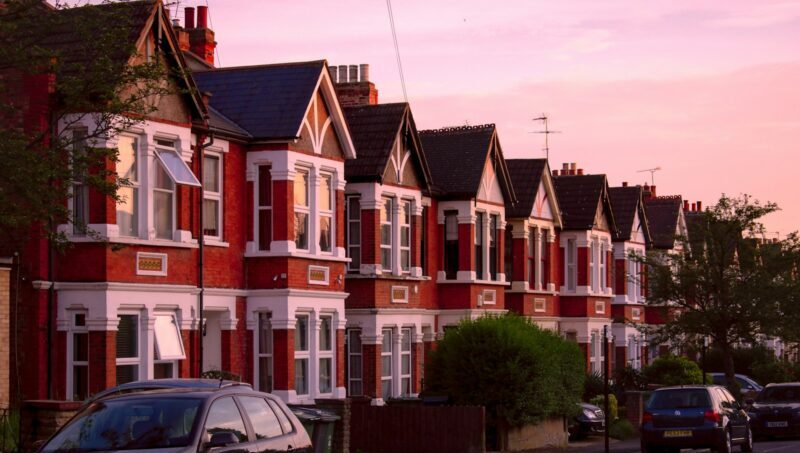
Wimbledon’s housing stock makes it particularly well suited to this kind of improvement. Victorian and Edwardian terraces, common in areas such as South Wimbledon and around the town centre, often lend themselves to dormer or mansard conversions due to their roof structure. These designs can introduce substantial headroom and create full-height living areas within the loft. Meanwhile, 1930s semi-detached homes, frequently found in Raynes Park and Wimbledon Chase, are ideal candidates for hip-to-gable conversions, where extending the sloping roof unlocks additional internal space.
For larger detached properties near Wimbledon Village, the possibilities are broader still. These homes often allow for more ambitious layouts, including multiple rooms or larger open plan spaces. In each case, the existing structure shapes the outcome, reinforcing the importance of a design that responds to the property rather than forcing a one-size-fits-all solution.
Planning considerations also play a role in shaping projects. Wimbledon includes several conservation areas, particularly around the Village and near Wimbledon Common, where maintaining the character of the neighbourhood is a priority. While many loft conversions fall within permitted development rights, allowing work to proceed without full planning permission, design sensitivity remains essential. The most successful projects are those that balance internal gain with external restraint, ensuring the new space feels integrated rather than imposed.
Over the past decade, loft conversions across south-west London have shifted from being reactive upgrades to more strategic investments in property value. Where projects were once driven by immediate needs such as an extra bedroom, they are now more often planned with long term use in mind. Homeowners are placing greater emphasis on flexible layouts, multi use rooms and designs that enhance both daily living and resale potential. This change reflects a broader trend in how space is valued, particularly in high-demand areas, something regularly observed by Wimbledon loft conversion companies.
Beyond resale value, there is also a growing focus on lifestyle value. The rise of hybrid working has made home offices a standard requirement rather than an occasional extra. At the same time, multi-functional rooms are becoming more common, allowing spaces to shift between uses as needs change. In Wimbledon, where rental demand remains strong and yields have improved in recent years, additional bedrooms or adaptable living areas can also enhance income potential for those considering letting part of their property.
Looking ahead, the London property market is expected to remain stable rather than dramatic. Forecasts for 2026 suggest modest growth, with price increases likely to sit between 1 and 4 percent depending on wider economic conditions. In this environment, relying on market movement alone is unlikely to deliver significant gains. Instead, value is increasingly created through thoughtful improvements that align with how people actually live.
For Wimbledon homeowners, this reinforces a simple idea. The most effective way to increase value is not always to move to a bigger house, but to make better use of the one already owned. Loft conversions, when carefully designed and well executed, offer a way to do exactly that. They respond to both the constraints and the opportunities of the area, turning unused space into something practical, flexible and lasting.
As the balance continues to shift from moving to improving, Wimbledon stands out as a place where building up makes sense. Not just as a design choice, but as a long term investment in how a home works and what it is worth.
References
Office for National Statistics, UK House Price Index
https://www.ons.gov.uk/economy/inflationandpriceindices
Financial Times, UK housing market analysis
https://www.ft.com
Reuters, UK house price trends and forecasts, March 2026
https://www.reuters.com/world/uk
Harding Surveyors, London property market predictions for 2026
https://hardingsurveyors.co.uk/london-property-market-predictions-for-2026
Robert Holmes, Wimbledon property price data
https://robertholmes.co.uk/buying/wimbledon-house-prices
Housemetric, postcode level data for SW19
https://housemetric.co.uk/analysis/sector/SW19-7/Wimbledon
UK Government, permitted development rights
https://www.gov.uk/guidance/when-you-need-planning-permission
General UK loft conversion data
https://en.wikipedia.org/wiki/Loft_conversions_in_the_United_Kingdom