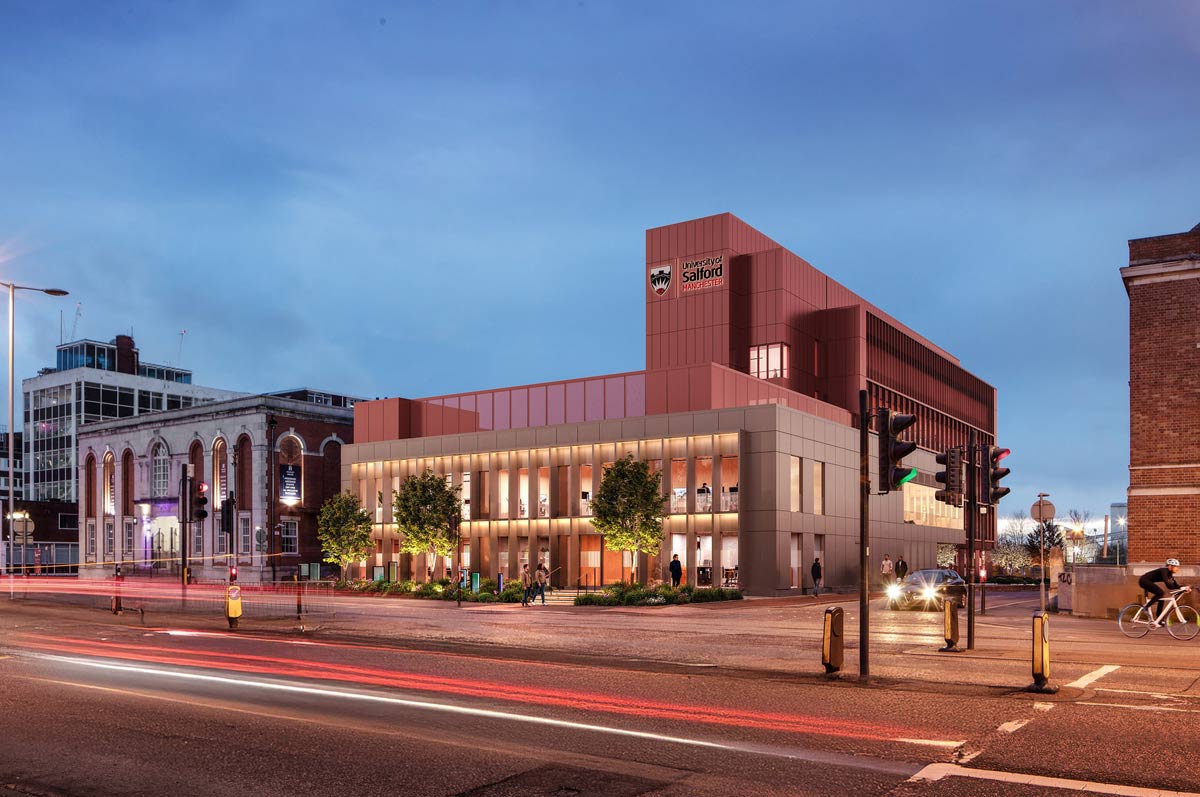
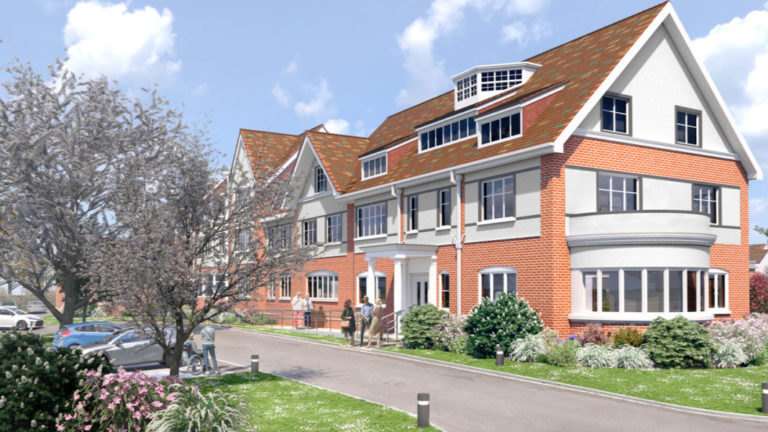
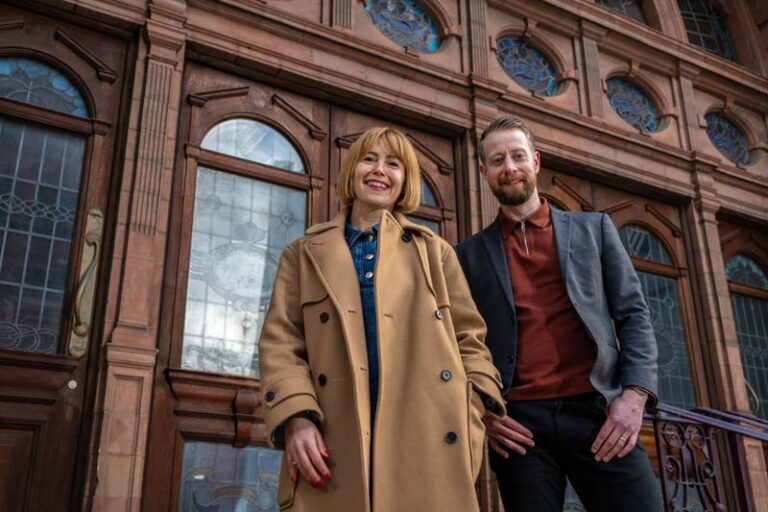
Plans to refurbish the Faraday building, located within the University of Salford’s estate, have been approved, paving the way for its transformation into a modern workspace for professional services staff.
The refurbishment proposal was submitted by the Crescent Partnership, a collaboration between Salford City Council, the University of Salford, and ECF—a joint venture involving Homes England, Legal & General, and Muse. This initiative forms a component of the wider £2.5 billion Crescent Salford masterplan, which is revitalising a 240-acre area of the city.
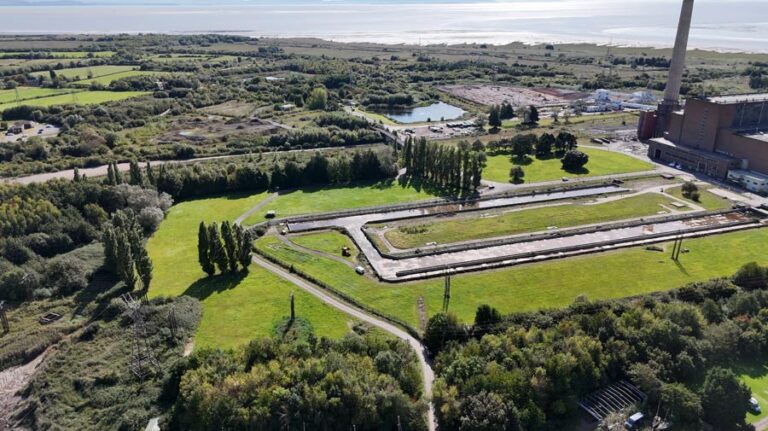
Having remained vacant for several years, Faraday will be redeveloped to provide 3,500 square metres of high-quality, flexible office space dedicated to University teams. The upgraded facility will feature green areas, bicycle storage, and an accessible entrance, fostering an inclusive and welcoming environment for staff.
Construction is scheduled to commence later this year, with completion anticipated in early 2028. The approval also advances the University’s Campus Connectivity Plan, a significant redevelopment project targeting its research, teaching, and public spaces.
Mark Wantling, Chief Infrastructure Officer at the University of Salford, commented: “It’s great news that we have the green light to start work on Faraday, bringing an established building on the Crescent back to life at the same time as providing a welcoming new environment for our professional services teams.”
Simon Hourihan, Project Director at ECF, added: “We look forward to making a start on transforming Faraday into a high-quality, modern workspace now that planning consent has been received. Whilst Crescent Salford will bring new homes, infrastructure and facilities to the city, it’s also about retaining and repurposing existing buildings which have played a key role in Salford’s history, giving them a new lease of life for the next chapter.”
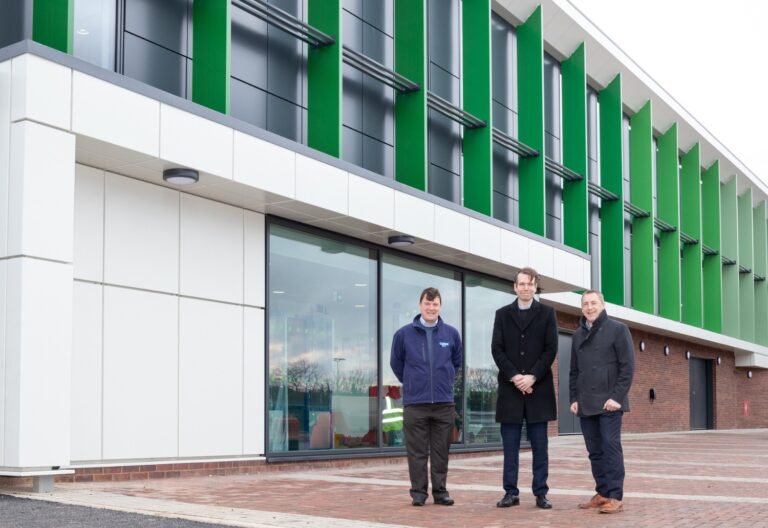
Alongside Faraday, the University is progressing with two other projects expected to open in 2027: the Acoustics Building and the Thrive Health and Wellbeing Centre. Additionally, the Greater Manchester Institute of Technology (GMIoT) opened in February, supporting the University’s commitment to enhancing skills and employment opportunities in Salford and the wider Greater Manchester area.
Salford City Mayor Paul Dennett remarked: “The approval of plans to refurbish Faraday is another important step forward in delivering the Crescent Salford vision, bringing new energy and purpose to this vacant building. This investment not only supports the University’s growth but also strengthens our wider ambitions to create high-quality jobs, inclusive spaces and a thriving, sustainable community here in Salford. It’s great to see the Crescent partners working together to breathe new life into our city and ensure its continued success for future generations.”
The refurbishment designs have been prepared by architects PRP, with interior design by OBI and landscape architecture led by Planit.
Faraday is part of Crescent Innovation, a key element of the Crescent Salford masterplan. This initiative seeks to leverage existing research strengths to stimulate economic growth, foster opportunities, and enhance connections between academia, research, and business. Crescent Innovation includes over 900 new homes and up to 1.7 million square feet of commercial, academic, and research space, alongside significant enhancements to public areas.