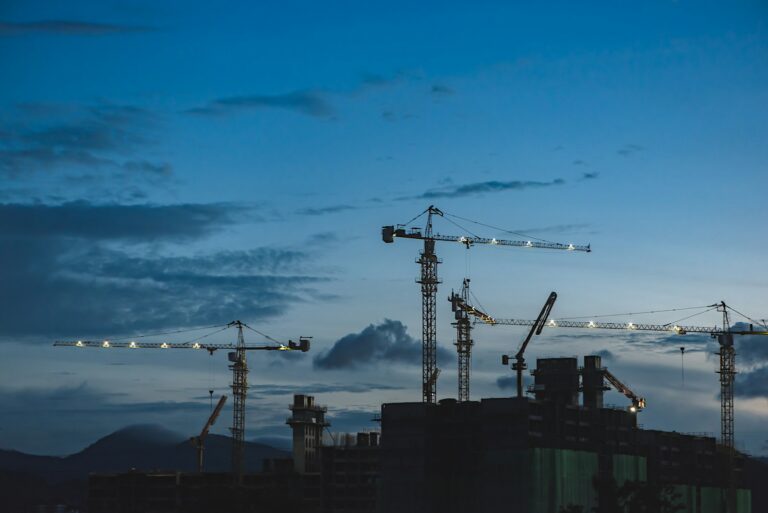
Major regeneration projects in North Manchester, valued at £6 billion, risk alienating older residents by causing a sense of ‘cultural displacement’ unless these communities are actively involved in shaping their future, according to a new report from The University of Manchester.
The study highlights that regeneration efforts must extend beyond constructing new homes and infrastructure. Investment is also crucial in community centres, faith spaces, local shops, and other social hubs where long-standing residents build relationships and access support.
Researchers examined the experiences of older people in North Manchester, an area undergoing extensive redevelopment including the North Manchester General Hospital upgrade, a new mental health facility, and the Victoria North housing project. Victoria North alone is expected to deliver up to 15,000 new homes over 15 to 20 years and is part of the Government’s New Towns Initiative.
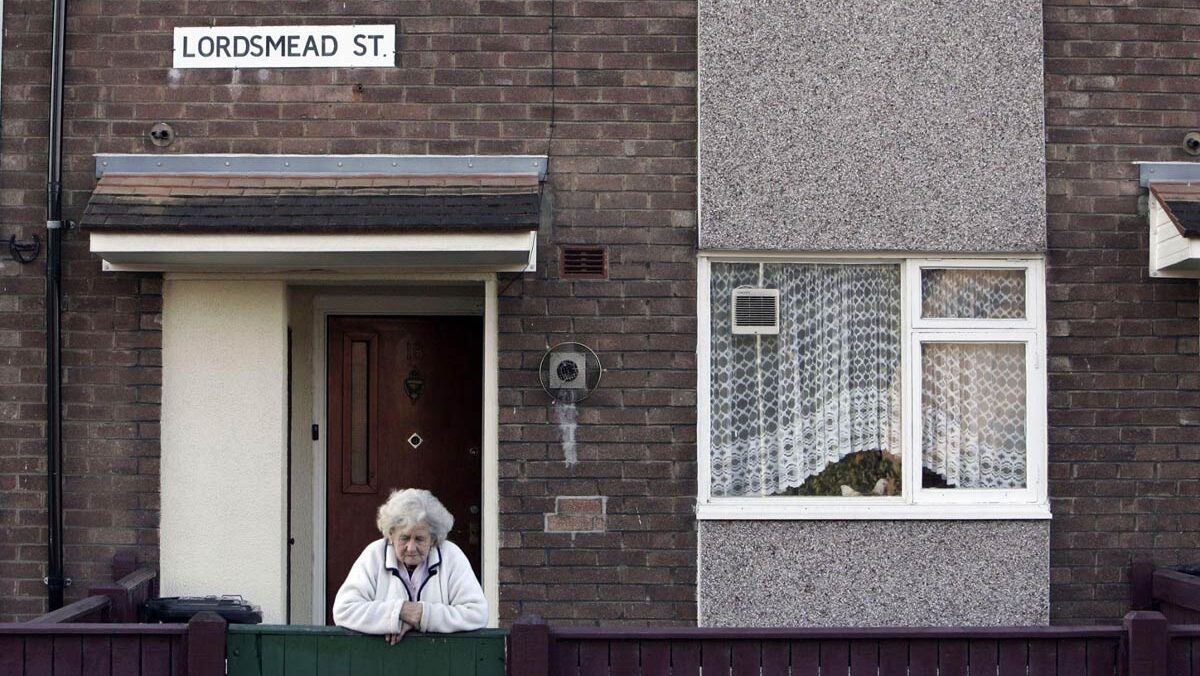
Many older residents expressed a strong desire to ‘age in place’ within their neighbourhoods, valuing their established sense of belonging. However, concerns were raised about potential gentrification, rising housing costs, and the loss of familiar community spaces, which could exclude existing residents from the benefits of regeneration and create divisions within communities.
Dr Camilla Lewis from The University of Manchester’s Manchester Urban Ageing Research Group emphasised the importance of including older residents in regeneration plans. She said, “Regeneration could potentially bring enormous benefits to communities, but it is vital that we don’t lose sight of the people who already live in these places. Older people have deep connections to their neighbourhoods and have built up knowledge, relationships and networks over many years. These are valuable assets for regeneration, not obstacles to it.” She added, “If we want to create places where people can live well as they grow older, then older residents need to be involved in shaping the future of their communities from the outset.”
The research also found that community organisations and volunteers play a significant role in supporting older people, particularly those from ethnically minoritised backgrounds, by helping to alleviate social isolation, health challenges, financial pressures, and language barriers. Community spaces facilitate interactions across ethnic and cultural lines, fostering a sense of connection amid neighbourhood changes.
However, the report warns that such ‘social infrastructure’ is often overlooked when regeneration focuses mainly on physical developments. The researchers advocate for investment to support existing community organisations alongside new housing and infrastructure projects, with regeneration designed collaboratively with older residents.
Dr Niamh Kavanagh from The University of Manchester stated, “Regeneration needs to start by understanding what is already valuable about a place – its people, its relationships, its cultural diversity and the spaces where communities come together. Our research shows that these everyday connections matter enormously to older people. They can provide a sense of belonging and continuity at a time when neighbourhoods are undergoing profound change.” She added, “The challenge is to make sure that regeneration strengthens these connections rather than unintentionally disrupting them.”
The report recommends that future regeneration efforts should be equitable, embedded within existing communities, culturally sensitive, and supported by sustained investment in social infrastructure. The findings have wider implications for regeneration projects across the UK, especially as the population ages and becomes more ethnically diverse.
The study was conducted over 12 months and involved 41 interviews with older residents, community organisations, and regeneration stakeholders, two focus groups, and four creative co-production projects with over 50 older people. The research primarily focused on Cheetham Hill and Crumpsall, while also considering the broader North Manchester area.
For further details, the full report titled Ageing, inequality and urban regeneration: Collaborative research with older people living in North Manchester is available online.