A small town in southern Italy has gained attention through the first peer-reviewed academic study focused solely on a street art festival, revealing significant implications for public health policymakers globally. The study, titled “Street Art as Public Health Infrastructure,” was published in November 2025 in the Health and Human Rights Journal of Harvard University’s FXB Center for Health and Human Rights, an institution influenced by renowned global health figures Jonathan Mann and Paul Farmer.
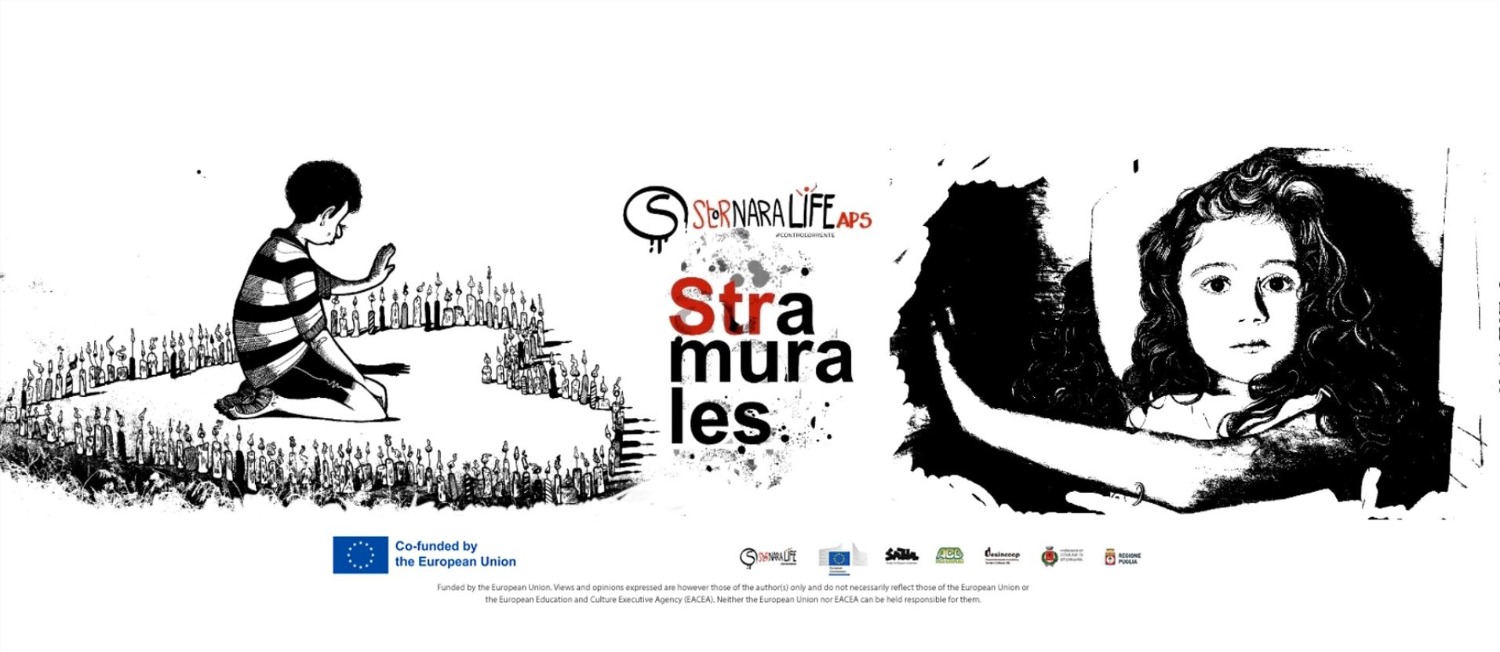
The research centres on the Stramurales International Street Art Festival in Stornara, a town with a population of approximately 6,000 in the economically challenged Puglia region. The authors argue that participatory street art can yield measurable mental health benefits that traditional clinical methods have not achieved.
Dr Luciano Magaldi Sardella, a graduate of the Aspire Institute at Harvard Business School, and Professor Matteo Mantuano, a professor of social sciences and psychoeducational health at Unitré University of Milan, authored the paper. They challenge conventional definitions and funding mechanisms for health infrastructure, stating, “The question is not whether art can function as a health intervention — Stramurales demonstrates that it can. Rather, the question is whether health policymakers and human rights advocates possess the imagination to rethink health infrastructure.”
Stornara exemplifies many rural communities in the Western world prior to 2018, facing a dwindling tax base, closed businesses, and a significant outflow of young residents. Between 2002 and 2017, southern Italy saw a loss of around two million residents, predominantly among adults aged 15 to 34.
The festival was initiated in 2018 by local artist Lino Lombardi, under the auspices of Stornara Life APS, a nonprofit artistic association. Unlike many municipal mural projects across Europe and the United States, which often serve as mere tourism attractions, Stramurales was distinguished by its commitment to democratic participation. Property owners were not pressured to allow their walls to be painted, and festival themes and mural proposals were decided through a community-wide vote each year. The governing body, Stornara Life APS, was designed to be open to all members, preventing elite capture that has hindered similar initiatives elsewhere.
The study’s findings, as reported by Magaldi Sardella and Mantuano, are compelling. From 2020 to 2025, a period that included the global pandemic, tourism revenues in Stornara increased by 25 percent. New businesses emerged, and over 150 murals, created by artists from around the world, now constitute a permanent open-air museum that is free for all visitors. The festival has attracted attention from national media in Italy, and the Stramurales model has been examined as a best-practice case in Romania.
Beyond economic benefits, the study highlights improvements in community mental health, framing these as public health outcomes. Residents have reported decreased social isolation, revitalised civic pride, and a renewed sense of optimism about their future.
The authors anchor their findings in international human rights law, referencing Article 12 of the International Covenant on Economic, Social and Cultural Rights, which guarantees the right to health, and Article 15, which affirms the right to participate in cultural life. Murals addressing themes such as migration, displacement, and social exclusion are described as “visual health activism,” confronting the structural determinants of public health through advocacy for essential rights.
The authors challenge budget authorities to allocate public health funding towards participatory cultural initiatives like Stramurales, especially in areas where traditional economic development strategies have faltered. They note that the financial requirements of this model are modest—covering materials, artist hospitality, and promotion—yet yield disproportionately significant returns in community health.