The London Assembly has formally addressed the mayor of London, advocating for early involvement of local communities in the design phases of residential developments. This initiative aims to bridge the gap between public preferences for housing design and the actual projects being delivered.
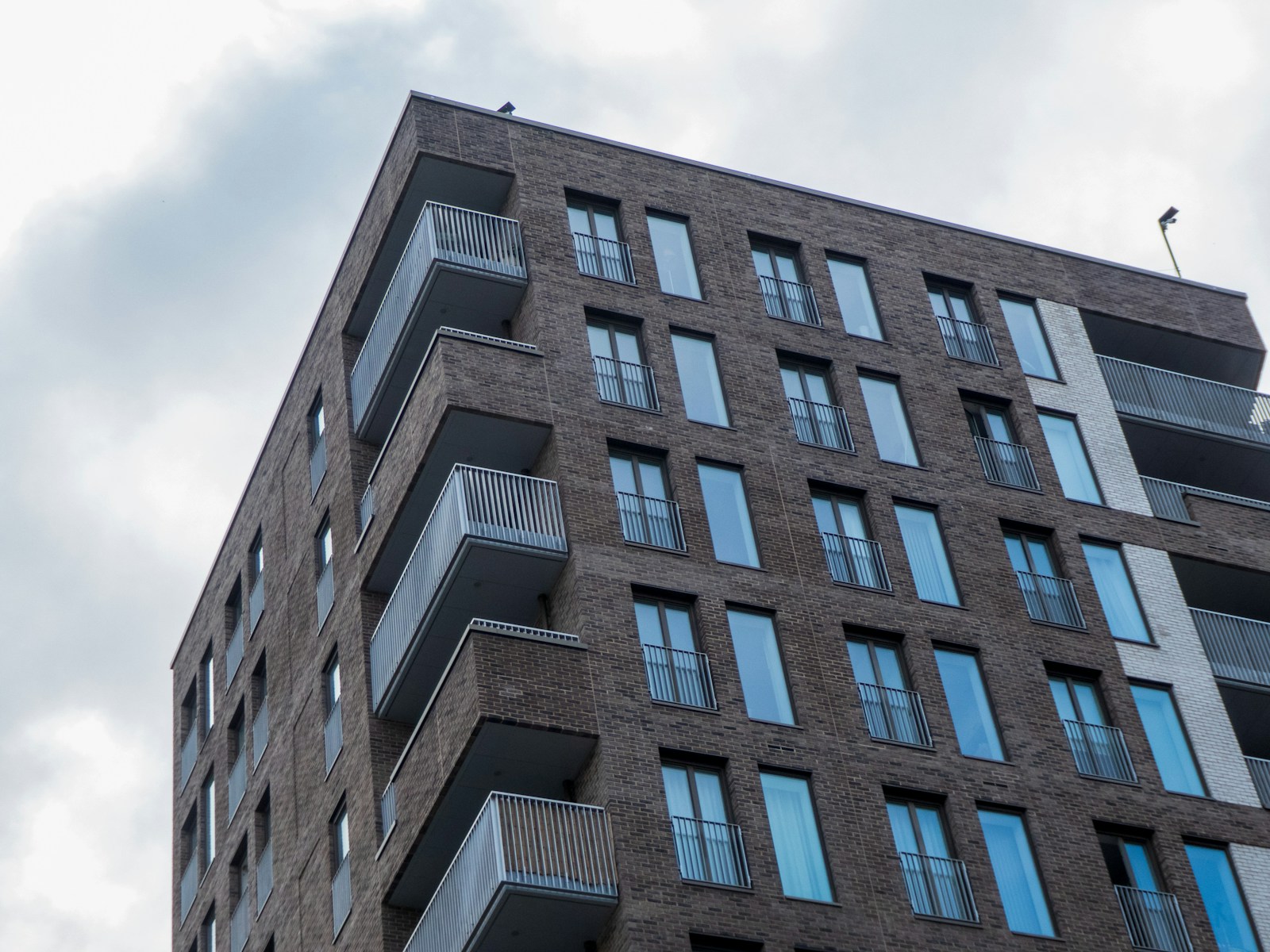
The planning and regeneration committee of the Assembly highlighted a concerning trend of a “growing disconnect” between the design aesthetics that Londoners favour and those that are currently being constructed. The committee believes that by engaging communities from the outset and incorporating their design preferences, opposition to planning can be significantly reduced.
James Small-Edwards, chair of the planning and regeneration committee, stated, “Londoners are not anti-development, they just want to be engaged early and see homes built that they find visually appealing. If we are to deliver 880,000 new homes over the next decade, we must close the gap between what Londoners want and what is getting built.” He emphasised that embedding popular design principles and ensuring meaningful early engagement are crucial for maintaining public confidence and meeting the city’s housing needs.
The committee has put forth five recommendations for the upcoming London Plan, which will cover the period from 2027 to 2050. A draft of this plan is expected to be published later this year for public consultation.
One of the key proposals is to update the housing design standards within the London Plan to better reflect the visual preferences of the public. In a committee meeting held in December 2025, Robert Kwolek, a senior architectural designer and project manager at the think tank Create Streets, revealed that approximately 70% to 80% of participants in visual preference surveys preferred buildings characterised by “coherent frontages, clear block structures and human-scaled heights” over more avant-garde designs.
The London Assembly cautioned that the existing approach to residential development could lead to increased local opposition, escalating project costs, and hinder local authorities’ ability to meet the ambitious target of 880,000 new homes over the next decade.
The five recommendations proposed by the London Assembly include:
- The Greater London Authority (GLA) should revise the London Plan housing design standards to incorporate evidence-based visual design principles, such as coherent frontages, human-scale height, contextual materials, and traditional forms, to address the disconnect between public preferences and current construction.
- The GLA should promote the creation of design codes by councils in collaboration with a diverse range of local residents, who should be compensated for their participation to ensure broad representation.
- The GLA should encourage the development of neighbourhood plans that clearly outline the types of building designs welcomed by local communities.
- A pan-London evidence-based report should be produced by the GLA, in partnership with the London Housing Panel’s Community Conversations and UCL Bartlett School’s Citizen Science Academy, by August 2026. This report should include visual preference studies to identify the built forms, materials, typologies, styles, and streetscapes preferred by Londoners, with the findings made publicly available.
- The GLA should mandate boroughs to incorporate structured early-stage engagement methods, such as deliberative workshops and co-design techniques, in major development schemes, supported by GLA guidance on resources and best practices.
The London Assembly’s recommendations aim to foster a more collaborative approach to housing development, ensuring that the voices of local communities are heard and considered in the planning process.