The UK construction sector faces a pressing need for nearly 48,000 additional workers annually between 2025 and 2029, according to forecasts by the Construction Industry Training Board (CITB). This demand spans housing, infrastructure, retrofit, and heritage projects, highlighting the urgency for innovative workforce development strategies that connect education with practical industry experience.
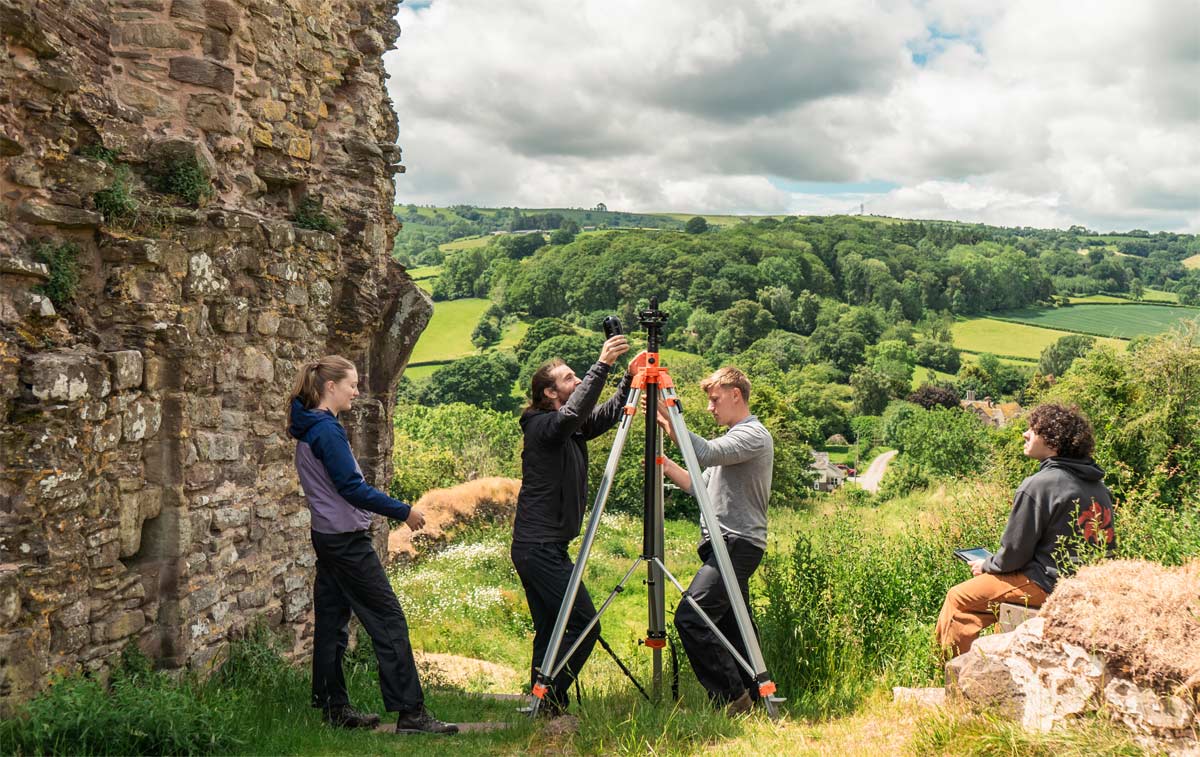
In response, the New Model Institute for Technology and Engineering (NMITE) partnered with the Snodhill Castle Preservation Trust (SCPT) to offer construction students hands-on experience through a live project at one of Herefordshire’s key heritage sites. This collaboration formed part of SCPT’s “Fortifying the Future” initiative, funded by The National Lottery Heritage Fund, aimed at securing the castle’s preservation while enhancing public engagement and educational opportunities.
Over an intensive eight-day period, NMITE students engaged with real-world challenges involving structural monitoring, site management, and visitor experience enhancement. Guided by heritage professionals and informed by archaeological studies and stakeholder input, the students applied digital technologies, surveying techniques, and data collection methods to support the castle’s long-term management.
Andy de Bell, Trustee of SCPT, praised the students’ contributions: “The NMITE students brought creativity and imagination to the solutions they recommended: things that, for a small trust such as ours, are practical and realistic for us to implement. I can’t wait until I have an opportunity to bring different projects to the team to get the same kind of input.”
One student group focused on structural monitoring, investigating how condition data could be gathered and utilised for maintenance planning and risk management. Their work concentrated on outlining monitoring requirements and identifying future implementation opportunities rather than delivering a complete technical solution.
The second group aimed to improve the visitor entrance experience by developing concepts to enhance information access, collect visitor feedback, and create a more welcoming environment. Through early-stage design processes, they generated and refined creative ideas to shape future engagement strategies.
Professor Sarah Hitt, Programme Lead for NMITE’s BSc Construction Management degree, emphasised the value of such partnerships: “We were delighted to have worked with the Snodhill Castle Preservation Trust. Working with real-world partners enables our students to practice engagement, leadership and teamwork skills, while navigating problems and overcoming setbacks. And if this appeals to students who want to enter the construction sector and want to learn through industry-led learning, digital innovation and sustainable construction practices then please get in touch as we are currently recruiting students for the BSc (Hons) Construction Management degree starting in September 2026.”
This project exemplifies how challenge-based, project-oriented learning bridges the gap between academic study and industry practice. By collaborating with live clients under authentic constraints, students gain insight into the interdisciplinary and cooperative nature of modern construction.
The initiative also underscores the significance of heritage sites as educational environments. Historic buildings present challenges common to the broader construction sector, including asset management, sustainability, digital surveying, stakeholder engagement, and long-term resilience.
At the programme’s conclusion, students presented their findings and recommendations to SCPT representatives, offering valuable perspectives to guide future conservation and development efforts.
NMITE’s educational model centres on industry collaboration and challenge-based learning, moving beyond traditional teaching to immerse students in practical projects alongside businesses, communities, and organisations. This approach cultivates both technical expertise and professional skills sought by employers.
As the construction industry confronts labour shortages, technological advancements, and the drive toward sustainable development, initiatives linking education with real-world projects will be critical in preparing the next generation of construction professionals.
NMITE’s accelerated, industry-led Construction Management degree, delivered over two years, is designed to produce work-ready graduates capable of contributing to the UK’s goals of building new homes, renewing infrastructure, and fostering sustainable communities.