
From Bilbao to the banks of the Thames, a new kind of cultural institution has taken hold, one where the architecture is the first and often most memorable work of art on display. But is this a triumph or a betrayal?
There is a question that hovers, unasked, above the entrance to some of the world’s great museums. You have queued. You have paid. You have passed through the doors. And yet, before you have seen a single painting, a single sculpture, a single artefact, you have already had an aesthetic experience so powerful that the collection inside may struggle to compete. The building has got there first.
This is the central paradox of the contemporary museum. The building designed to display art has itself become art. The container has eclipsed the contents. And in doing so, it has raised some uncomfortable questions about what museums are actually for, and who, or what, they are really serving.
The Bilbao Moment
No building better illustrates this shift than Frank Gehry’s Guggenheim Museum Bilbao, which opened in 1997 and effectively rewrote what a museum could be. Clad in shimmering titanium panels that ripple and catch the Basque light like the scales of some enormous fish, the building was immediately recognised as something categorically different. Not just a place to house art, but a spectacular object in its own right.
The numbers tell a remarkable economic story. In its first three years alone, nearly four million tourists visited the Guggenheim Bilbao, generating around €500 million in economic activity for the Basque region, a staggering return on an initial construction investment of roughly €100 million. The regional council calculated that tax revenues from hotel stays, restaurants, shops, and transport more than covered the cost of the building itself. An ailing post-industrial city had been transformed, almost overnight, into a global cultural destination.
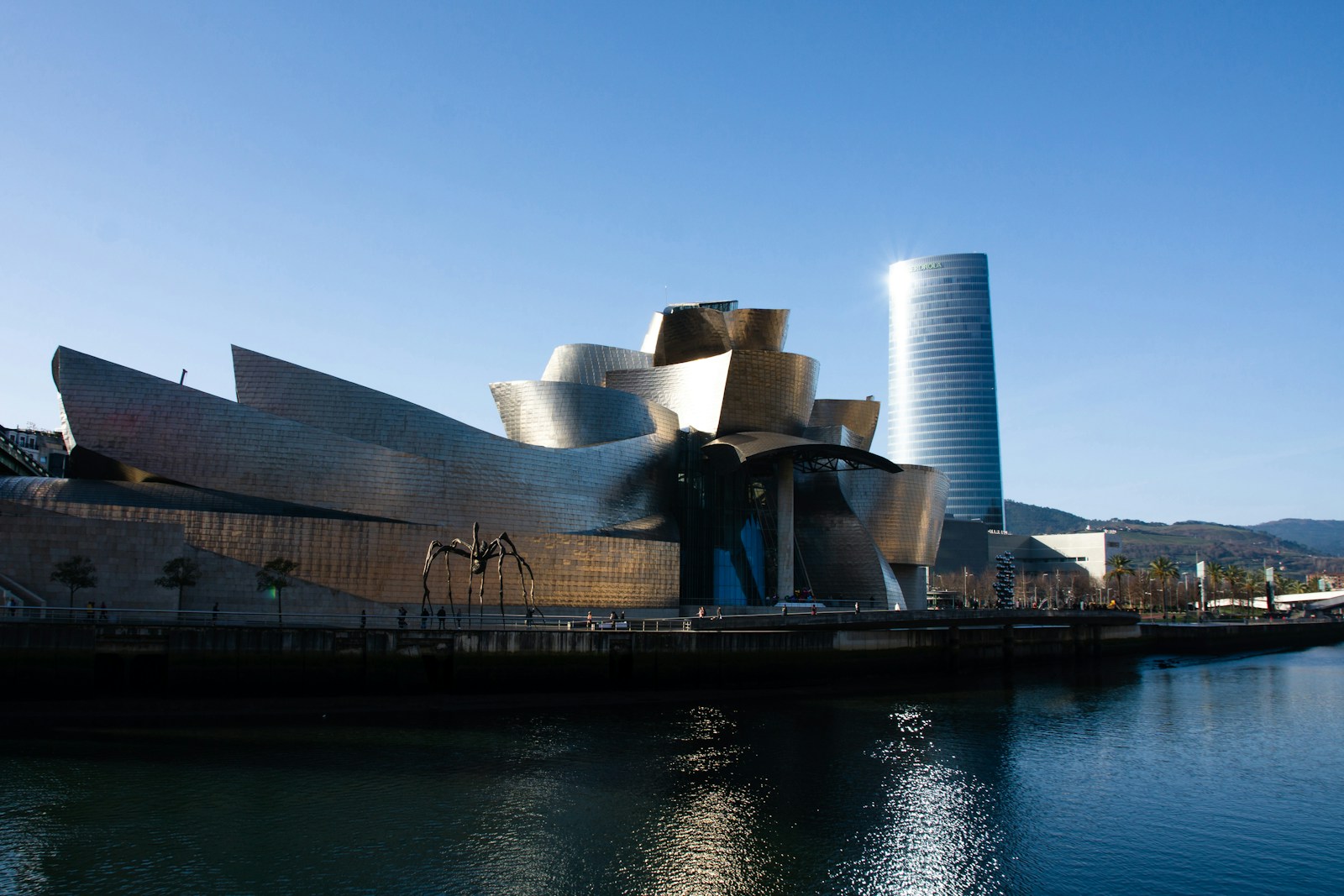
This phenomenon acquired its own name: the Bilbao Effect. The term describes the capacity of a single iconic cultural building, particularly one designed by a so-called “starchitect,” to catalyse urban regeneration, attract international investment, and fundamentally reposition a city’s identity on the world stage. Bilbao proved that architecture alone could function as urban policy.
But the Bilbao Effect has always carried within it a more uncomfortable implication, one that its champions tend to gloss over. If the building is the draw, where does that leave the art? Critics noted almost from the beginning that Gehry’s audacious curves and titanium surfaces risked turning the museum into spectacle, prioritising form over function, dazzle over contemplation. The building was “too much,” some argued: a self-indulgent architectural gesture that threatened to reduce the works inside to a supporting role in someone else’s show.
That debate has never been satisfactorily resolved. It has only multiplied, as cities around the world rushed to commission their own signature buildings, desperate to replicate Bilbao’s success. The result was what critics called an architectural arms race: expensive, visually arresting structures that delivered varying degrees of the promised transformation, but consistently raised the same uncomfortable question. Is the building the point?
The Pyramid’s Long Shadow
A decade before Bilbao, a different battle over museum architecture was playing out in Paris. In 1984, the Chinese-American architect I.M. Pei was commissioned by President François Mitterrand to redesign the entrance to the Louvre, a commission that would, after years of bitter controversy, produce one of the most recognisable buildings of the twentieth century.
Pei’s proposal was startling in its simplicity and its audacity: a glass-and-steel pyramid, 21 metres high, to be placed directly in the Cour Napoléon at the heart of the ancient palace. The response was furious. One member of the Académie française lamented simply: “Poor France.” Le Figaro denounced the design as a “gadget.” Critics described it as an “architectural joke,” an “eyesore,” an “anachronistic intrusion.” Pei later recalled that up to ninety per cent of Parisians opposed the project, and that walking the streets of Paris during the construction period was a deeply uncomfortable experience.
The parallel with the Eiffel Tower, itself greeted with near-universal contempt before it became the defining symbol of France, was not lost on observers. And like the Tower, the Pyramid eventually won its argument by simply existing and proving its critics wrong. On its opening day in 1989, the early doubters retreated. By its thirtieth anniversary, the pyramid was described by the Louvre’s own director as “the modern symbol of the museum,” an icon on the same level as the Mona Lisa or the Venus de Milo.
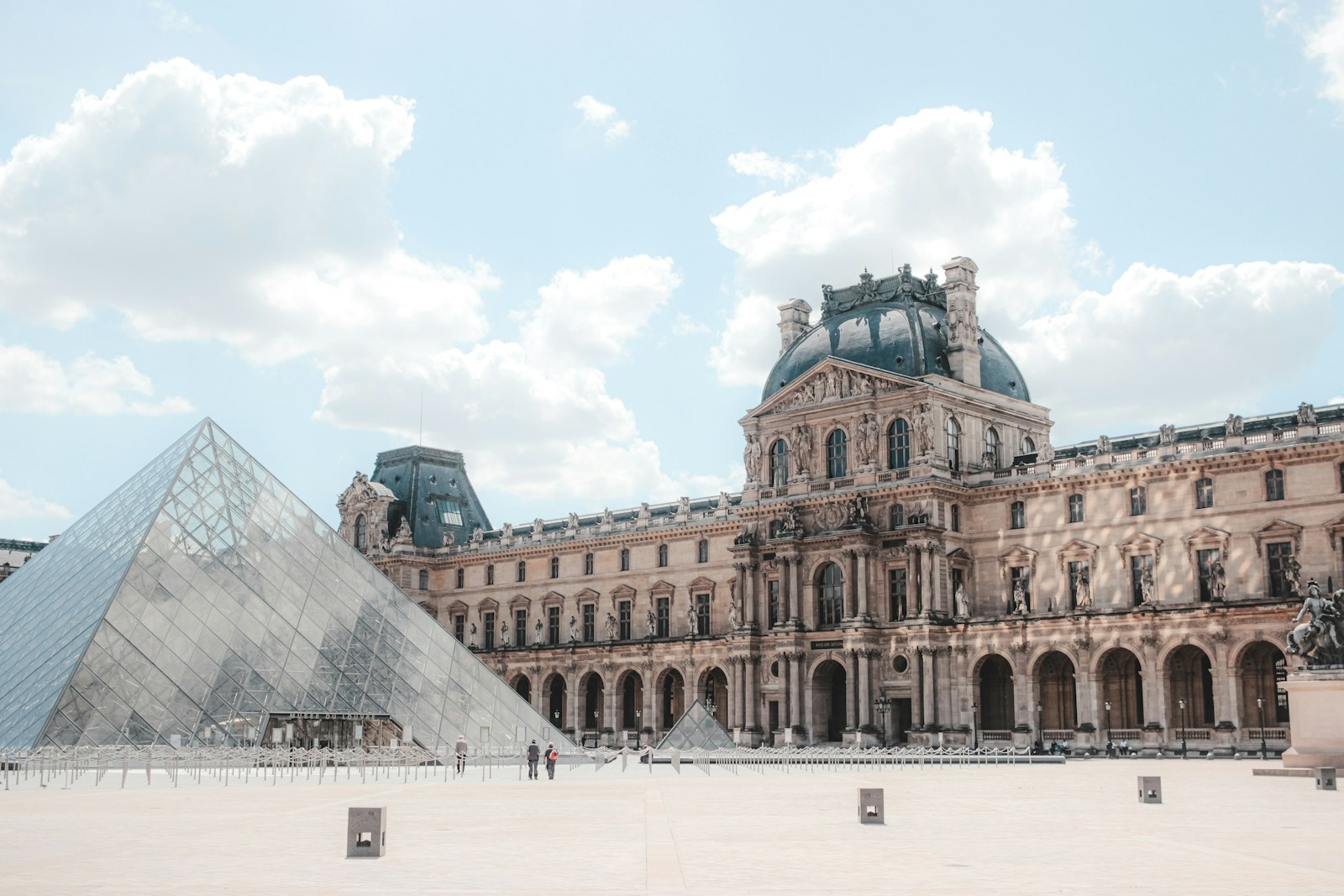
That comparison is worth sitting with. The director of one of the world’s greatest repositories of art was placing a piece of architecture on a par with Leonardo da Vinci. If the Guggenheim Bilbao had hinted at the building’s potential to overshadow its contents, the Louvre had now articulated something even more radical: that the building could itself be the collection’s greatest treasure.
Pei’s own thinking on this was revealing. He had been tempted to install a sculpture in the vast new underground entrance hall, but after several unsuccessful experiments, he concluded that the pyramid itself would be the sculpture. This was not an accidental outcome. It was a deliberate artistic decision. The first work of art in the museum would be the museum.
Bankside and the Turbine Hall Effect
In London, a different but equally instructive story was unfolding. When the Swiss architects Herzog & de Meuron were commissioned to convert the decommissioned Bankside Power Station into Tate Modern, which opened in May 2000, they made a choice that ran counter to the Bilbao model. Rather than imposing a new architectural statement, they worked with what was already there, preserving Giles Gilbert Scott’s austere brick cathedral of industry, with its dominant chimney and vast, cathedral-like proportions.
The result was, paradoxically, every bit as powerful as Gehry’s titanium eruption. Tate Modern became the most visited modern art museum in the world almost immediately, surpassing its projected annual figures of two million visitors with more than five million in its first year alone. It revitalised the South Bank, helped anchor the new Millennium Bridge, and transformed a neglected stretch of the Thames into one of Europe’s most active cultural quarters.
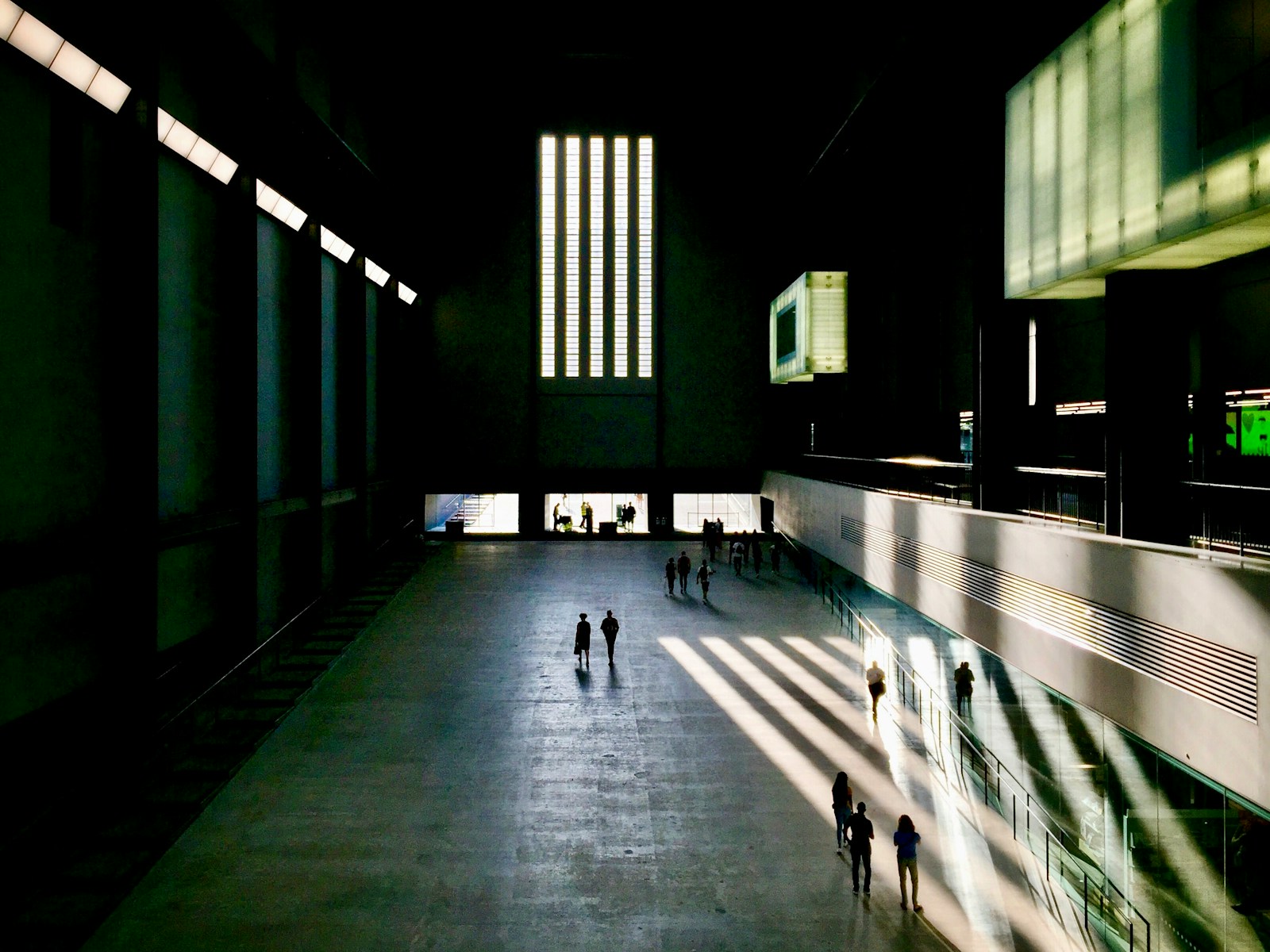
But it was the Turbine Hall, the vast nine-storey former generating space left deliberately open and raw, that became the building’s true masterstroke. As a site for large-scale commissioned installations by artists including Louise Bourgeois, Olafur Eliasson, and Doris Salcedo, the Turbine Hall created something that no conventional gallery could replicate: a space so singular, so overwhelmingly physical, that the works made for it could not exist anywhere else. The building and the art became inseparable, each giving the other meaning.
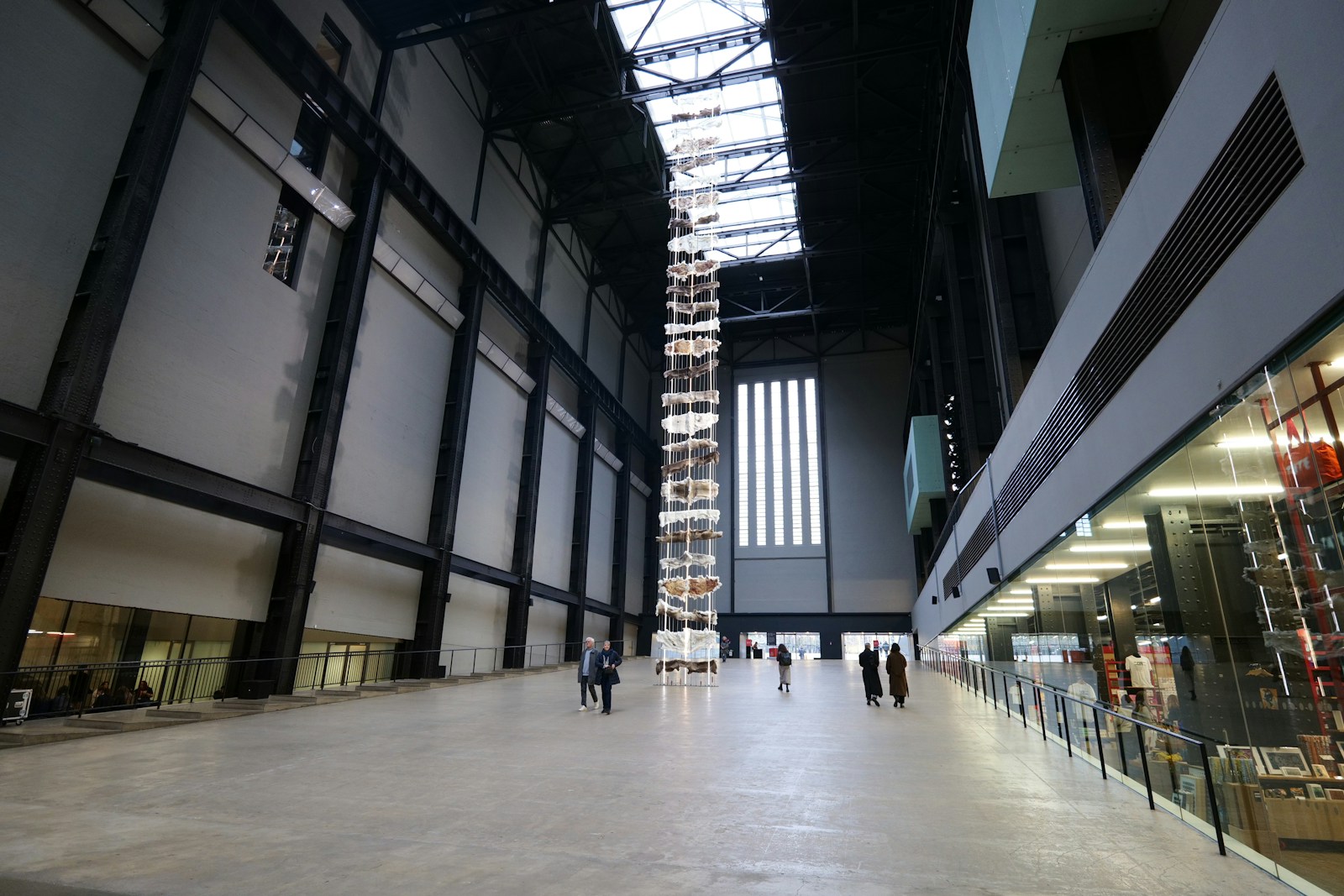
This model, the building as active collaborator rather than passive container, represents perhaps the most considered resolution of the tension between architecture and collection. Unlike Bilbao, where critics could reasonably argue that the building had eclipsed its contents, Tate Modern found a way to make the architecture generative. The Turbine Hall did not compete with the art. It summoned art that could not otherwise exist.
Starchitecture and Its Discontents
The success of these three buildings, Bilbao, the Louvre Pyramid, Tate Modern, had consequences that their architects could not have anticipated, and that the architecture and museum communities are still grappling with. The Bilbao Effect spawned an era of starchitect patronage in which cities and institutions competed to attract the most famous names, convinced that a bold enough building would deliver transformational results.
The results have been mixed, to say the least. Some buildings have delivered genuine renewal, among them Zaha Hadid’s MAXXI in Rome and Renzo Piano’s Whitney Museum of American Art in New York. Others have been expensive exercises in architectural ego that failed to connect with their communities or deliver the promised benefits. The cookie-cutter approach to iconic cultural buildings, drop a spectacular structure into a neglected urban area, sit back and wait for regeneration, turned out to be considerably less reliable than Bilbao had suggested.
More fundamentally, the starchitecture era raised a question about institutional purpose that museums have not always been willing to confront. If the building is conceived primarily as an attraction, as a landmark, a social-media backdrop, a destination in its own right, what happens to the slower, quieter work of curating a collection, educating visitors, and making art genuinely accessible? The museum as spectacle and the museum as civic institution can coexist, but they do not always sit comfortably together.
There is also a democratic dimension to this debate. When a museum becomes famous primarily for its architecture, it tends to attract a certain kind of visitor: the cultural tourist, the architecture enthusiast, the Instagram pilgrim. These are not unwelcome audiences, but they are not the only ones a public institution should be serving. A building that is primarily experienced as a landmark may be subtly, unintentionally, excluding the communities it was ostensibly designed to serve.
The Building as First Exhibit
And yet, for all these reservations, there is something deeply honest about a museum that acknowledges its building as a work of art. The idea that architecture is purely functional, that a museum’s job is simply to get out of the way and let the collection speak, has never really been true. The great museum buildings of the nineteenth century, from the British Museum to the Altes Museum in Berlin, were themselves powerful cultural statements: temples of learning and national identity, their neoclassical grandeur inseparable from their civic purpose.
What has changed is the speed and self-consciousness of the process. Where once a museum building might quietly accumulate significance over generations, today it arrives pre-loaded with cultural weight, designed from the outset to be significant, to be photographed, to be talked about. The building announces itself before the collection has had a chance to speak.
This is not simply a failure of institutional nerve or architectural ego, though it can be both. It is also a reflection of the changed conditions in which museums operate. In an attention economy, in a world of competing cultural destinations, in cities where cultural infrastructure is increasingly expected to do economic work as well as educational or aesthetic work, a museum that is also a landmark is simply a more competitive museum.
The Louvre’s director was right, if inadvertently provocative, when he placed the pyramid alongside the Venus de Milo. In the museum of the twenty-first century, the building is always, inescapably, the first exhibit. The question is not whether this is true, but what curators, architects, and institutions choose to do with that truth.
The best answer, demonstrated most powerfully in the Turbine Hall’s long run of extraordinary commissions, is to treat the building not as a rival to the collection but as its most demanding and rewarding challenge: a space that asks artists and curators to think bigger, to work differently, to make things that could not exist anywhere else. When that happens, the museum museum, the museum whose building is itself on display, becomes something genuinely new. Not a contradiction, but a conversation.
Want to read more?
Bilbao Effect and Guggenheim Bilbao
- Guggenheim Museum Bilbao (Wikipedia). Retrieved June 2026. https://en.wikipedia.org/wiki/Guggenheim_Museum_Bilbao
- Snaptrude. The Bilbao Effect: How the Design of a Museum Transformed the Economy of the City (2023). https://www.snaptrude.com/blog/the-bilbao-effect-how-the-design-of-a-museum-transformed-the-economy-of-the-city
Louvre Pyramid
- Louvre Pyramid (Wikipedia). Retrieved June 2026. https://en.wikipedia.org/wiki/Louvre_Pyramid
- I.M. Pei (Wikipedia). Retrieved June 2026. https://en.wikipedia.org/wiki/I._M._Pei
- The Art Newspaper. “Thirty years on, Louvre’s pyramid scheme pays off” (2019). https://www.theartnewspaper.com/2019/03/29/thirty-years-on-louvres-pyramid-scheme-pays-off
- The Local (France). “From scandal to icon: the tumultuous history of the Louvre pyramid and its creator” (2019). https://www.thelocal.fr/20190517/louve
- Architect Magazine. “Louvre Pyramid: The Folly that Became a Triumph” (2017). https://www.architectmagazine.com/awards/aia-awards/louvre-pyramid-the-folly-that-became-a-triumph_o
Tate Modern
- ArchDaily. AD Classics: The Tate Modern / Herzog & de Meuron. https://www.archdaily.com/429700/ad-classics-the-tate-modern-herzog-and-de-meuron
- Dezeen. “Herzog & de Meuron’s Tate Modern: the most significant building of 2000” (2025). https://www.dezeen.com/2025/01/06/tate-modern-herzog-de-meuron-21-century-most-significant-buildings-2000/
- The Architectural Review. “A museum’s architecture shouldn’t be its best exhibit, but at the Tate Modern it steals the show.” https://www.architectural-review.com/buildings/a-museums-architecture-shouldnt-be-its-best-exhibit-but-at-the-tate-modern-it-steals-the-show
Starchitecture and Museum Theory
- Rethinking The Future. Tate Modern Switch House by Herzog & de Meuron: Model museums of the 21st century (2021). https://www.re-thinkingthefuture.com/case-studies/a4615-tate-modern-switch-house-by-herzog-de-meuron-model-museums-of-the-21st-century/
- Rost Architects. The Story Behind the Architecture and Construction of the Louvre Museum (2024). https://www.rostarchitects.com/articles/2023/1/6/the-louvre