

Websites like ArchDaily: The top 12 architecture and design magazines
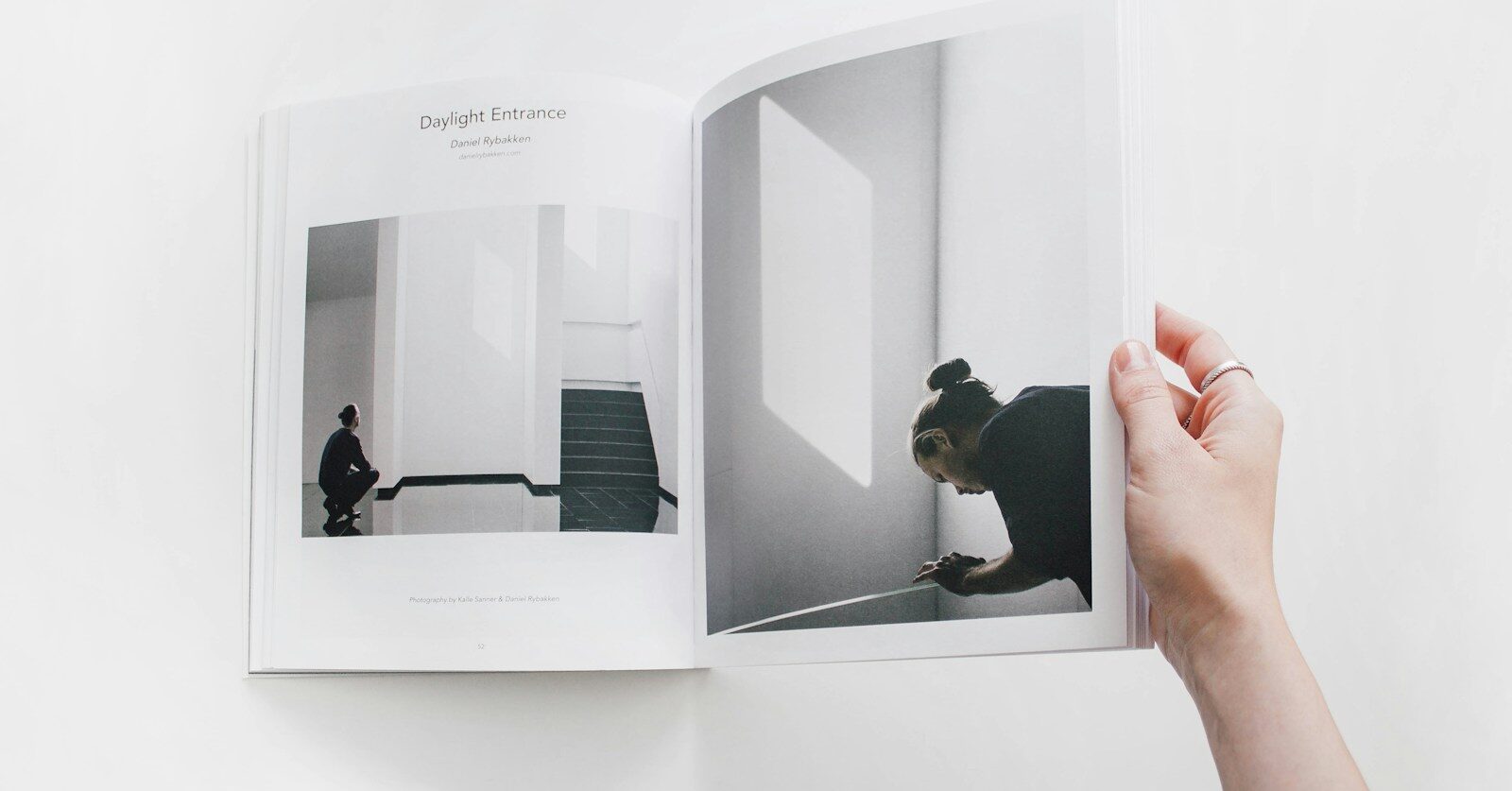
Photo by Sarah Dorweiler - Unsplash
Every architect has at least one web browser tab permanently open. For millions of practitioners, students and design enthusiasts around the world, that tab belongs to ArchDaily. Since ArchDaily was launched in 2008, the platform has grown into one of the most visited architecture websites: it has a vast, relentlessly updated repository of buildings, competitions, urban visions and industry news covering every corner of the world and every scale of project. For many working in the built environment sector, it is simply where the day begins.
But no single architecture and design magazine can be everything to every reader. ArchDaily’s extraordinary breadth, its strength, comes with some editorial trade-offs. The experiential richness of Wallpaper*, the critical rigour of Domus, the community warmth of Archinect, the residential intimacy of Dwell: these are things ArchDaily was never designed to provide. For architects, students, interiors enthusiasts and design-curious readers who want to go deeper, wider or simply somewhere different, the landscape is richer than many realise.
Here are twelve architecture and design websites worth knowing about. Some are direct alternatives to ArchDaily; others fill gaps it leaves. Not all of them will be relevant to you, but there’s a good chance that at least a few will become part of the regular reading…
1. Dezeen (UK)
If ArchDaily is architecture’s encyclopaedia, Dezeen is its newspaper. Launched in London in 2006, it has become the most recognisable editorial voice in global design journalism, covering architecture alongside interior design, product design, furniture, technology and art with a tone that is consistently sharp, accessible and unapologetically opinionated. Where ArchDaily publishes volume, Dezeen publishes perspective.
By the time of its acquisition in 2021, the platform had accumulated around three million monthly unique visitors and 6.5 million social media followers. Its offering has since expanded to include the Dezeen Awards, now a significant fixture in the industry calendar, alongside a curated jobs board, school directory and daily newsletter. There is no paywall; revenue comes from advertising, award entry fees and sponsored editorial. For readers who want architectural content framed within a broader design and cultural conversation, Dezeen remains the benchmark.
2. designboom (Italy)
One of the internet’s earliest design publications, designboom launched from Milan in 1999 and has been quietly influential ever since. It occupies a territory that few rivals bother with: the intersection of industrial design, architecture and contemporary art, read through a sensibility that is more conceptual, more culturally curious and more comfortable with the experimental than most Anglo-American platforms. Coverage of design fairs, Milan’s Salone del Mobile above all, is among the best available anywhere online.
Acquired by Swiss media group NZZ in 2022, designboom draws several million monthly readers across international editions, with offices in Milan, New York and Beijing. The Designboom Mart, a travelling exhibition platform, gives it a physical presence that most of its peers lack. For architects with an eye on product and material culture, and for anyone who finds ArchDaily’s singular focus on buildings occasionally limiting, designboom opens the frame considerably.
3. Wallpaper* (UK)
No platform on this list occupies quite the same cultural position as Wallpaper*, which has maintained a kind of aesthetic authority since its founding in 1996 that is remarkably difficult to explain and even harder to replicate. The magazine and its website sit somewhere between a trade resource and a luxury cultural magazine, drifting comfortably between architecture, interiors, fashion, travel and object design in a way that feels entirely intentional. The photography is consistently exceptional.
The website carries daily news and features that mirror the magazine’s elevated sensibility, drawing a readership that skews affluent and deeply design-conscious. WallpaperSTORE, its e-commerce arm, offers a curated selection of designer goods. Some archive content sits behind a subscription wall. For readers who experience architecture as part of a broader cultural and aesthetic life rather than purely as a professional discipline, Wallpaper* offers something none of its competitors quite replicate.
4. The Architectural Review (UK)
Founded in 1896, The Architectural Review is one of the oldest architecture publications still in active circulation, and its website carries the weight of that history with impressive relevance. Where most platforms celebrate buildings on completion, the AR asks harder questions: about context, about meaning, about what a building actually contributes to the world beyond its Instagram presence. Critical essays, in-depth project analyses and opinion pieces from leading architects and academics give the site an intellectual seriousness that distinguishes it clearly from more news-driven competitors.
A subscription unlocks the full archive, which stretches back decades and constitutes one of the most valuable repositories of architectural criticism available online. For architecture students writing dissertations, for practitioners interested in theory as well as practice, and for anyone who finds the uncritical celebration of newness that dominates most design media faintly exhausting, the AR is essential reading.
5. Architizer (USA)
Launched in New York in 2009, Architizer has always been less a publication than a platform, and it has leaned into that distinction with increasing confidence. Its core offering is a vast, searchable database of architectural projects and building products, over three million images and 163,000 projects at last count, making it an invaluable research and specification tool for working architects. Its acquisition in 2022 by Material Bank, a materials marketplace, confirmed its identity as a B2B resource as much as an editorial one.
The A+Awards, Architizer’s annual architecture competition, have grown into one of the industry’s more prestigious accolades, partly because of the platform’s enormous reach: over 870,000 newsletter subscribers and 4.5 million social media followers. The Journal publishes selected project features and interviews, though news coverage is less frequent than on ArchDaily or Dezeen. For manufacturers and product brands looking to reach architects directly at the point of specification, Architizer’s directory and advertising products are among the most targeted available anywhere online.
6. Domus (Italy)
Founded in Milan in 1928 by the architect Gio Ponti, Domus is the elder statesman of design publishing, and it carries that distinction with appropriate gravity. Its website and monthly print edition blend contemporary projects with critical essays, historical analysis and thematic special issues, framed by a seriousness of purpose that sets it apart from more news-driven competitors. This is not a platform that rushes. It is one that considers.
The editorial roster draws on leading architects, scholars and critics from around the world, and special editions tied to events such as Milan Design Week have become collectors’ items in their own right. Some archive content sits behind a paywall. For professionals and students engaged with design theory, architectural history and the intellectual underpinnings of built work, Domus occupies territory that no other platform on this list attempts to claim.
7. Metropolis (USA)
Metropolis has occupied a distinctive corner of architecture and design media since its founding in New York in 1981: rigorously serious about the built environment, but with sustainability, social equity and the human consequences of design at the centre of its editorial mission rather than at its margins. In an era when greenwashing is rampant and the gap between architectural ambition and environmental reality is under increasing scrutiny, a platform that has been asking these questions for decades carries particular authority.
Coverage ranges from buildings and urban planning to materials, product design and policy, always with an eye on consequence as well as form. The website is updated regularly, with long-form features sitting alongside news coverage. For architects and students who care as much about how buildings perform and who they serve as how they photograph, Metropolis offers a perspective that more aesthetically focused platforms rarely provide.
8. Archinect (USA)
Archinect is among the oldest platforms on this list, founded in Los Angeles in 1997, and it wears its age with a certain lived-in charm. It has long positioned itself as a community hub for architects rather than a conventional publication, and the community remains its greatest asset. The forums are active and opinionated; the job board is among the most used in the American profession; school listings and firm directories make it a practical resource for students navigating early career decisions.
Editorial content covers architecture news and culture with a chattier, more discursive tone than its larger competitors. Long-form essays and competition news often surface here before they reach mainstream outlets. Traffic is more modest than ArchDaily or Dezeen, and the interface is, charitably, functional rather than beautiful. But for architecture students and young professionals, particularly those based in or looking toward the American market, Archinect offers something no glossier platform quite replicates: the sense of a real professional conversation, conducted by people who are actually living it.
9. Azure Magazine (Canada)
Published out of Toronto since 1985, Azure is one of those rare publications that has managed to build genuine international authority from a non-obvious base. Its focus spans architecture, interiors and product design, with a particular interest in the Canadian built environment that gives it a perspective notably absent from the New York and London-dominated mainstream. The writing is sharp, the photography distinctive, and the editorial voice consistently thoughtful.
The AZ Awards, Azure’s annual design competition, have grown into a respected international fixture with strong participation across North America and beyond. The website carries daily news and features that reflect the magazine’s elevated sensibility, and its coverage of sustainable design and urban issues is among the more substantive available. For readers who find the Anglo-American axis of most design media limiting, and for those interested in the specifically Canadian conversation about architecture and place, Azure is a consistently rewarding discovery.
10. Dwell (USA)
Where most architecture publications reach upward toward the monumental and the iconic, Dwell points homeward. Founded in San Francisco in 2000, it has carved out an enduring niche in modern residential design: house tours, prefab homes, renovation stories and practical living ideas, all delivered with a warmth and accessibility that its more austere competitors rarely attempt.
The community dimension is central to what makes Dwell different. Architects and homeowners are invited to contribute projects, giving the site a collaborative, generous feeling that distinguishes it from more editorially controlled rivals. Coverage is predominantly US-focused and heavily residential, which is both its defining strength and its obvious limitation. A print edition and the annual Dwell on Design fair reinforce a brand that still feels rooted in something physical. For homeowners, residential architects and students interested in the domestic scale, it is essential reading.
11. The Architect’s Newspaper (USA)
The Architect’s Newspaper does not traffic in lifestyle or aspiration. Founded in New York in 2003 as a print tabloid for working architects, it has built its reputation on rigorous, US-focused coverage of the architecture industry: projects, yes, but also regulation, planning policy, firm business news, sustainability and education. It is, in the best sense of the term, a trade publication, and the American architectural profession is better informed for it.
The website is updated daily on weekdays, with strong regional depth and solid authority across the profession. The AN Best of Design Awards have become a recognised fixture in the North American calendar. Print circulation sits at around 25,000; online readership reaches tens of thousands per month. Beyond the continental United States and Canada, coverage thins considerably, which is a limitation worth knowing before you bookmark it.
12. Divisare (Europe)
Divisare is unlike anything else on this list, and that is precisely its value. Founded in Rome, it operates less as a publication than as a curated architectural archive: a vast, beautifully organised visual database of projects from practices across Europe and beyond, presented with minimal editorial mediation and maximum visual space. There are no trend pieces, no personality profiles, no sponsored content. There are buildings, photographed seriously, organised intelligently and left to speak for themselves.
The platform’s curatorial judgement is rigorous; not everything makes it in, which gives the archive a quality and coherence that the sheer volume of ArchDaily cannot always sustain. A subscription unlocks full access to the database. For architects researching precedents, for students building reference libraries, and for anyone who finds most design media too noisy and too fast, Divisare offers something genuinely rare: a space for looking carefully.
A note for design brands
For companies operating in the architecture and built environment space, visibility on the right platforms matters enormously. Beyond the editorial sites listed above, Place Guild (that’s us!), a platform for the property and built environment sector, offers a curated Brand Directory connecting architects, designers and developers with vetted suppliers and design firms. It is a useful complement to the editorial resources above, particularly for those looking to be discovered by a professional British audience actively engaged in the specification process.
The design sector on the internet has never been richer, nor more varied in what it chooses to celebrate!