Willmott Dixon, the privately owned construction and interiors firm, has released its trading update and financial results for the year ending 31 December 2025, revealing an underlying profit before tax of £29.1 million, up from £28.6 million in 2024.
The company reported total profit before tax of £31.8 million, a decrease from £46.8 million the previous year, which included £20.3 million in exceptional gains related to third-party cladding remediation recoveries. Turnover stood at £1.11 billion, slightly down from £1.16 billion in 2024, while the profit before tax margin improved to 6% from 2.5%.
Willmott Dixon’s cash reserves reached a record £127.3 million, up from £121.4 million, with zero debt and an undrawn £45 million revolving credit facility. Net assets increased to £182.3 million from £174.1 million. The company’s order book totalled £2.6 billion, supported by a five-year forward pipeline of £4.4 billion, marking a 31% rise on the previous year. This pipeline includes £1.3 billion of projects under pre-construction appointments.
In terms of sustainability, the firm has nearly £1.45 billion of projects on site or in pre-construction targeting Passivhaus or net zero operational standards. Absolute carbon emissions fell by 14% during 2025 and have decreased by 63% since the 2018 baseline. Additionally, the Energy Synergy® in-use performance service delivered over £460,000 in annual customer energy savings across monitored buildings. The company’s Accident Frequency Rate was 0.09, outperforming industry benchmarks.
For the current year, Willmott Dixon has secured over £500 million in new contracts by the end of April 2026, with 5% of the year’s turnover already secured or probable. A record 81% of turnover is procured through long-term public sector frameworks. The company also secured a place on the Government’s New Hospital Programme alliance.
Chief Executive Officer Graham Dundas stated: “2025 was a year of real momentum and a platform for future growth. Every part of the Group contributed materially to underlying profit and we have secured a £2.6 billion orderbook with a record £4.4 billion forward pipeline that we expect to convert into contract awards over the coming years.” He added, “Our results reflect the discipline of our selective approach of focusing on projects where we bring the very best skills and expertise for the benefit of our customers. We intend to grow in a measured and calculated way, by deepening long-standing customer relationships, by building on strong framework positions and further extending our expertise in Passivhaus and net zero delivery.”
Dundas highlighted the Government’s commitment to £725 billion of UK infrastructure investment over the next decade, reinforcing sectors where Willmott Dixon is active, including education, healthcare, defence, and property meeting net zero standards. He noted, “Our access to opportunities in these sectors through our framework positions remains as strong as it has ever been.” Looking ahead to 2027, the company’s 175th anniversary, he said, “Our record cash position, zero debt and strong order book provide a strong foundation in the current uncertain geopolitical world.”
Reviewing the 2025 financials, underlying profit before tax rose to £29.1 million, while total profit before tax was £31.8 million, reflecting growth on a like-for-like basis after excluding the prior year’s exceptional gains. Turnover remained steady at £1.11 billion, reflecting a focus on project quality, risk management, and margin certainty. Strategic investments are expected to increase turnover from 2027 onwards.
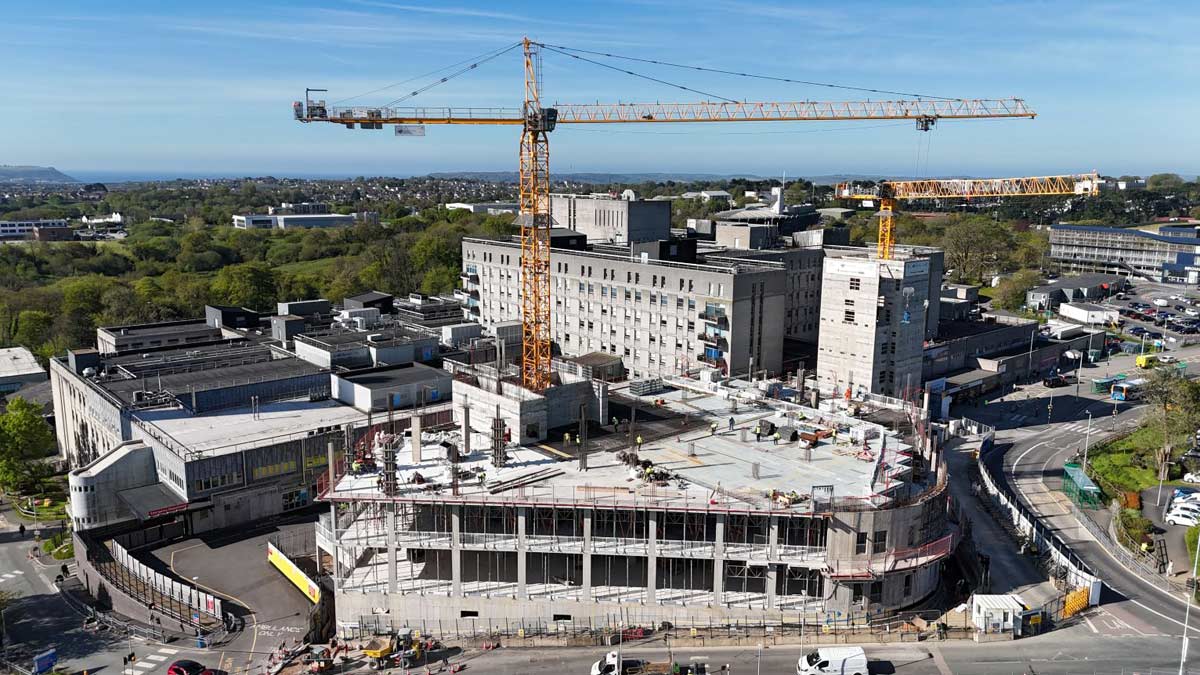
The order book grew with nearly £900 million of new work added during the year, with over 65% of turnover derived from repeat customers. Significant contracts included the £142 million Emergency Care Building at Derriford Hospital in Plymouth, the first Wave 1 project under the Government’s New Hospital Programme, and The Stage in Luton, a £114 million regeneration scheme delivering 292 homes, a music venue, commercial space, and a new public garden square.
Willmott Dixon’s commitment to carbon reduction saw absolute emissions decline by 14% in 2025 and 63% since 2018, with emissions intensity now 85% lower than in 2010. The company also supported 23 individuals into sustainable employment, including seven within the firm, and spent £5.32 million with social enterprises to aid their growth.
Public sector frameworks accounted for a record 81% of turnover in 2025, underlining the company’s strong customer relationships and framework capabilities. The company secured a six-year place on the Department for Education’s Construction Framework (CF25) and is the only contractor on three of the five key frameworks recognised by the Constructing the Gold Standard verification scheme.
Graham commented on 2026 trading: “We have started 2026 strongly, with over £500 million of new work already secured by the end of April and a record pre-construction pipeline to convert. We were also chosen for the New Hospital Programme alliance, which further strengthens our healthcare credentials following the start of work on the first Wave 1 project in the programme, the £142 million Emergency Care Building at Derriford Hospital in Plymouth.” He acknowledged economic uncertainties, stating, “We remain far from complacent about the wider economic picture, including the risk of renewed inflation from geopolitical events. Across our industry, prices are coming under strain, and I’m conscious that our supply chain partners will be feeling rising costs most acutely. We are alive to the very real risks around cost inflation and supply chain resilience and need to continue and extend our close, collaborative partnerships.” He concluded, “While we navigate the current uncertainty caused by world events, our framework position, our financial strength and the quality of our people give us the confidence to look forward with controlled optimism.”
Within its divisions, Willmott Dixon Construction reported turnover of £1,026.7 million, up from £1,009.9 million in 2024. The division secured ten major projects valued at over £600 million combined, reinforcing its reputation for managing large, complex, sustainability-led schemes. Nearly £1.45 billion of projects on site or in pre-construction must meet stringent energy performance standards, including Passivhaus. The Energy Synergy® service delivered results 15% better than predicted in 2025, saving customers over £460,000 annually and winning two categories at the CIBSE Building Performance Awards.
Education remained a key focus, with over £350 million of new education projects secured in 2025 at various stages. Notable contracts included London River Academy, a £34 million SEND school, Durham Academy, Glyn-Coch Primary School in South Wales, and an extension to Longfield School in Leicestershire, many of which must meet net zero operational standards.
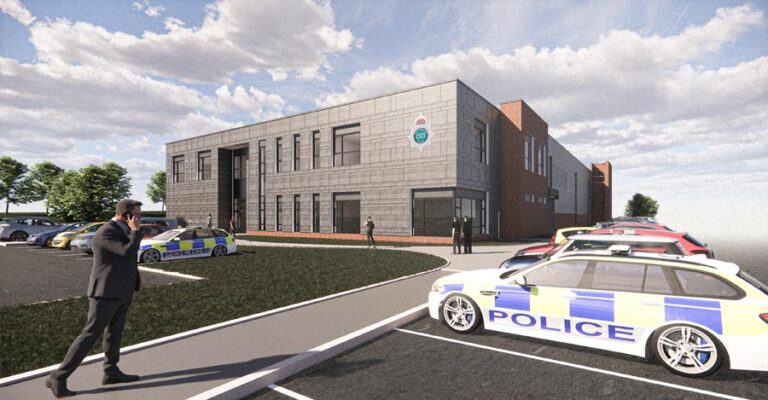
Willmott Dixon Interiors reported turnover of £86.5 million, down from £146.7 million in 2024, following a strategic scaling back to exit lower-margin work and consolidate profitability. This has established a platform for future growth. The division’s expertise in roll-out programmes and live environments remains strong, with projects such as the refurbishment of 200 Buckingham Palace Road for British Transport Police and the restoration of the Ocean Court building at the National Maritime Museum in Greenwich. Interiors is also engaged in early work on the £75 million refurbishment of the London Fire Brigade headquarters in Westminster.
Graham emphasised the value of the company’s workforce: “Our people are exceptional and the greatest asset this company has. In 2025, we saw their commitment recognised at the highest level by some of the most respected benchmarks of workplace quality anywhere in Europe.” He highlighted accolades including being named the fourth best workplace in Europe by the Financial Times’ Best Employers list, one of only two UK companies in the top ten, and ranking in the top ten of The Sunday Times Best Places to Work guide. Willmott Dixon was also named the best big construction company to work for and ranked 81st in the FT Diversity Leaders list, higher than any other Tier One contractor.
The company maintained a 98% employee engagement score, with women comprising 34% of the workforce, more than double the industry average of 16%, progressing towards its goal of gender parity by 2030. Graham stated, “In a sector facing a structural skills crisis, being the employer of choice is not just a cultural ambition; it is a direct competitive advantage that shows in the quality of our delivery for customers.”