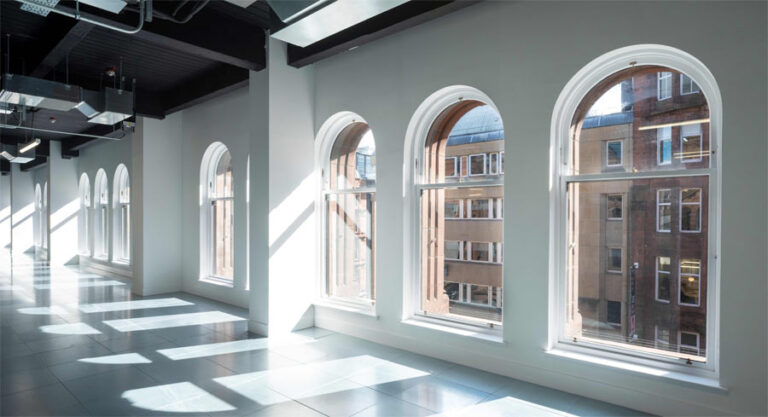
London’s most admired houses rarely rely on grand gestures. Their appeal is often found in the details: the iron railings outside a Georgian townhouse, the fanlight above a front door, the neat symmetry of a Victorian terrace. And then there are the windows…
Look closely at almost any beautiful period home in the capital and the windows play a defining role. They shape the character of the façade, influence the quality of light indoors and reveal something about the age and history of the building itself.
For homeowners renovating a period property, replacing windows is rarely a straightforward upgrade. In many cases, it is a question of preserving what makes a house distinctive while improving comfort and performance for modern life. In a city defined by its architectural heritage, that balance matters.
Why Timber Endures
Timber has been used in British homes for centuries, yet it remains remarkably relevant. Partly because it is practical and durable, but also because few materials look as at home on a traditional building.
The slim glazing bars of a Georgian sash window, the clean lines of an Edwardian casement or the carefully detailed window frame of an Arts and Crafts house all depend on proportions that timber can achieve with ease. The material has a depth and softness that sit naturally alongside brick, stone and stucco.
That authenticity carries particular weight in London. Across the capital, conservation areas protect the character of entire streets, and original architectural details are often viewed as assets rather than inconveniences. Even where planning restrictions do not apply, replacing traditional windows with poorly matched alternatives can noticeably alter the appearance of a house and even reduce its value.
Good timber windows do the opposite. They add to the value of your property and feel as though they belong.
The Enduring Appeal of Sash Windows
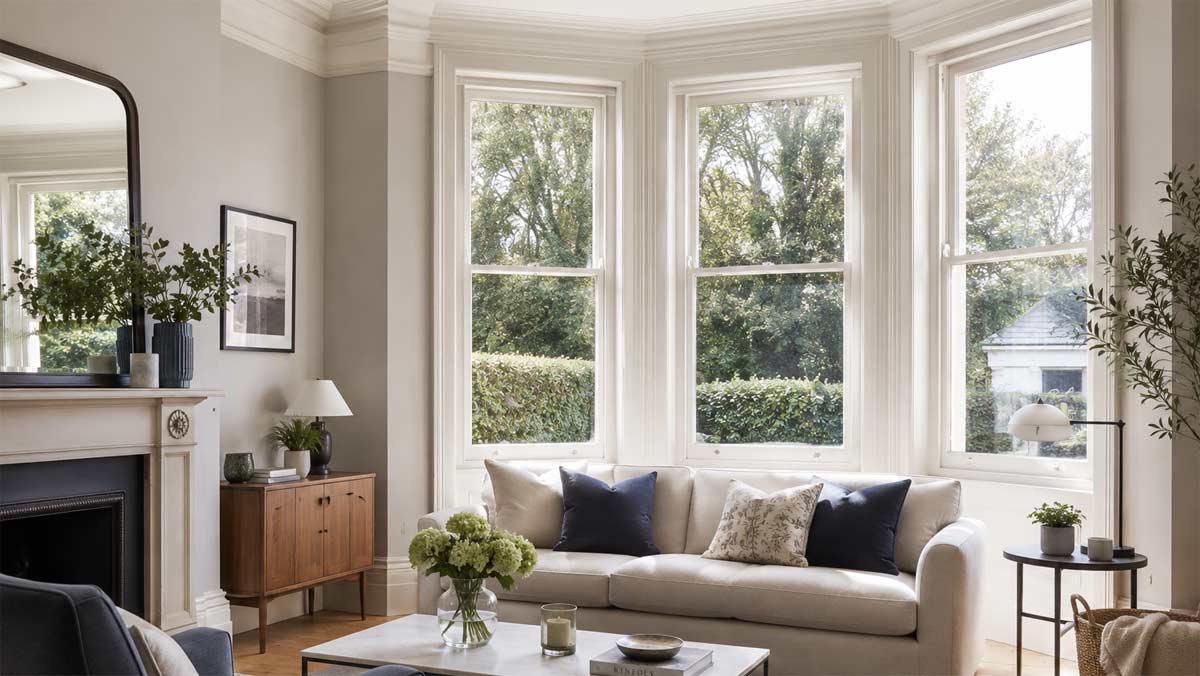
Few architectural features are as closely associated with London as the sash window. From the elegant terraces of Islington to the grand stucco houses of Notting Hill, they remain one of the defining elements of the city’s streetscape.
Part of their appeal lies in their proportions. Georgian sash windows are tall and restrained, with fine glazing bars and a pleasing sense of symmetry. Victorian examples grew larger as advances in glassmaking enabled larger panes, while Edwardian designs often introduced a little more openness and light.
They are practical, too. Because the sashes slide vertically rather than opening outward, they suit the close-knit nature of many London streets. Open both the top and bottom sashes, and air circulates naturally through a room, a simple form of ventilation that feels especially valuable during the warmer summers and recent heatwaves we have experienced.
Many original sash windows have survived remarkably well, although time inevitably takes its toll. Draughts, rattles and layers of paint are common complaints. Yet replacement is not always necessary. Sensitive repairs, draught-proofing and secondary glazing can often extend the life of historic windows. Where new windows are required, well-made timber replacements can replicate original detailing while delivering the insulation and security expected of a modern home.
Casement Windows: Quietly Versatile
Casement windows may not enjoy the same iconic status, but they are among the most adaptable styles found across London homes.
They appear on everything from cottages and suburban Edwardian houses to contemporary extensions and garden rooms. Simpler in appearance than sash windows, they often bring a more relaxed character to a building.
Flush casement designs have become particularly popular in recent years. Sitting neatly within the frame, they offer a clean, understated look that works equally well in heritage settings and newer additions.
Their practical advantages are equally appealing. Casement windows tend to seal tightly when closed, helping reduce heat loss and outside noise. In a city where traffic, aircraft and general urban bustle are part of daily life, that can make a noticeable difference.
Many homeowners choose to combine both styles. Traditional sash windows may remain on the principal elevation, preserving the character of the street, while larger timber casements are used at the rear to maximise light and connect living spaces with the garden. The result often feels entirely natural: respectful of the building’s history without being constrained by it.
Looking Beyond Appearance
Window replacement is often discussed in terms of aesthetics, but appearance is only part of the story.
The best projects begin by understanding the building itself. In conservation areas, details such as glazing patterns, frame profiles and opening methods can be just as important as the material. A beautifully made window can still feel out of place if the proportions are wrong.
When done well, however, modern timber windows offer a compelling combination of old and new. Advanced glazing, improved seals and high-quality finishes have transformed their performance. Homes become warmer, quieter and more energy efficient, while retaining the architectural character that attracted people to them in the first place.
That balance helps explain why timber remains the material of choice for so many London homeowners. It respects the language of the original building while adapting comfortably to modern expectations.
And in a city where so much value is tied to character, that is no small thing.
Where to Find Specialist Advice
Choosing new windows is rarely just a question of style. The age of the property, its planning status and the condition of the existing frames can all influence the right approach. Before making decisions, it is worth speaking to a specialist with experience of period homes and local conservation requirements.
For homeowners in London, Surrey and the surrounding areas, Berry Windows is known for its bespoke timber sash and casement windows, supplying made-to-measure solutions for both heritage properties and contemporary renovations. The company works across a wide range of projects, from Victorian terraces and Edwardian family homes to modern extensions where carefully considered detailing is just as important as performance.
The best specialists will begin with the building itself, assessing original features, proportions and architectural context before recommending repair, restoration or replacement. That early advice can make all the difference, helping homeowners improve comfort and energy efficiency without losing the character that drew them to the property in the first place.