A University of Salford and Farrat research partnership has developed modelling tools and a specialist consultancy service to help construction professionals assess heat loss through thermal bridges before buildings are built. The Knowledge Transfer Partnership (KTP), led with dedicated KTP Associate Hamid Narei, translated research from the University’s Energy House Labs into practical support for architects, designers and engineers.
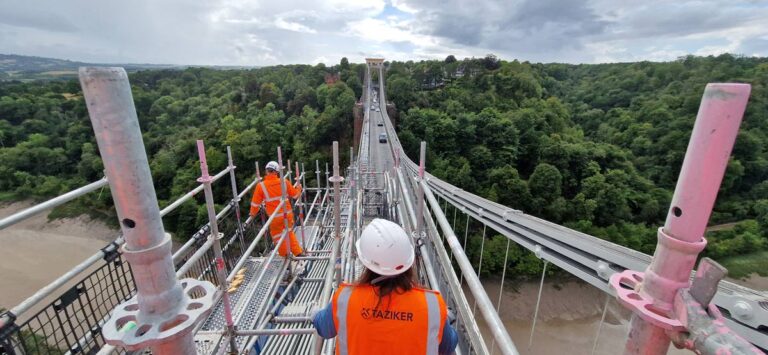
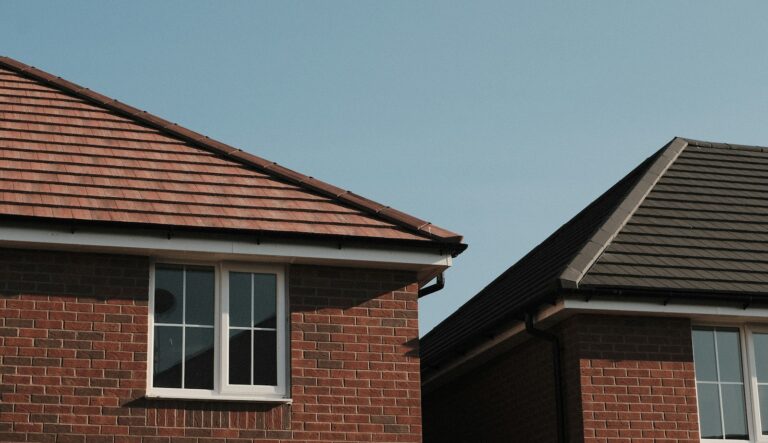
Thermal bridges form where structural elements, including balconies and steel connections, pass through a building’s insulated envelope. Heat can escape more readily at these points, which may be hidden from view but can affect a building’s energy performance. Farrat designs and manufactures structural thermal breaks to reduce heat transfer through such connections.
Research put to work in design
Researchers combined advanced modelling with experimental testing to investigate why the thermal performance of some buildings does not match design expectations. The work produced tools for assessing complex construction details earlier in a project, giving design teams greater confidence before construction begins.
The partnership also created a specialist consultancy service and an industry white paper setting out best practice. These outputs helped Farrat build technical expertise and offer customers additional support when designing structural connections.
Thermal bridging has wider implications for building performance: Scottish Government technical guidance says poorly designed or constructed junctions can contribute significantly to heat loss, and that the issue becomes increasingly important as insulation standards improve. It also notes that cold surfaces associated with thermal bridges can create condensation risks. The Salford–Farrat project focused on helping industry understand and assess these difficult details.
Testing changed when site access was limited
The project began with plans to gather data from live construction sites. Limited access forced the team to change course, so it used the University’s specialist testing facilities to generate experimental data instead. The revised approach strengthened the modelling work and kept the project on track during a period of regulatory change and wider uncertainty across the construction industry.
For Farrat, the partnership established new technical capability, practical modelling tools and a consultancy offer intended to help customers design more energy-efficient buildings with greater confidence. For the University, it strengthened Energy House Labs’ expertise in thermal bridging and supported broader work on retrofit, low-carbon housing and the Future Homes Standard.
The research has also entered teaching. Students on the University’s MSc Sustainable Buildings programme use the project as a real-world case study, bringing practical insight into thermal bridging to their studies.
Collaboration continues beyond the KTP
The University and Farrat have continued working together through research projects, student placements and innovation activities under a formal Memorandum of Understanding. The partnership’s effects therefore extend beyond the original project, linking research, teaching and industry collaboration.
Susan Suttle, Knowledge Transfer Adviser at Innovate UK Business Connect, said: “This is an excellent example of how a Knowledge Transfer Partnership can turn world-class academic expertise into practical, commercially valuable solutions for industry. The collaboration between the University of Salford and Farrat has not only helped address a real challenge for the construction sector, but has also created lasting capability, new services and a stronger platform for future innovation.
“It is great to see the partnership recognised with a ‘Very Good’ grading from Innovate UK, reflecting the commitment and impact delivered by everyone involved.”
Professor Mandy Parkinson, Associate Pro-Vice Chancellor for Knowledge Exchange at the University of Salford, said: “These partnerships demonstrate what can be achieved when academia and industry come together to tackle complex challenges. Working closely with our partners, we are driving innovation, supporting business growth and creating positive impact across the region.”
The KTP received a ‘Very Good’ grading from Innovate UK. Its practical tools and continuing collaboration are intended to help construction teams address heat loss at structural connections as they design buildings.